
Heart Health for Truckers: Recognizing Warning Signs Before It’s Too Late
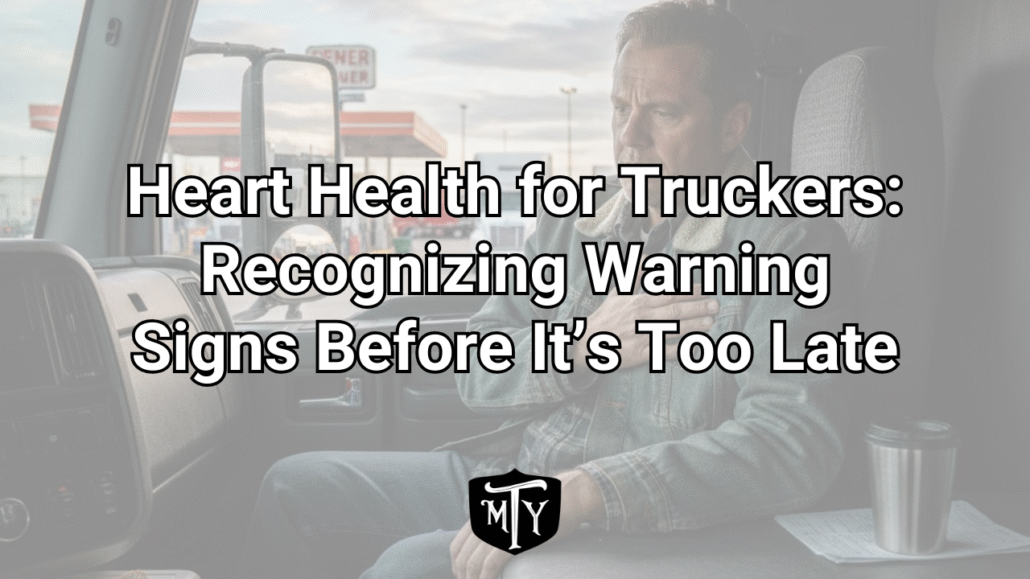
Truck drivers face a unique set of challenges that increase the risk of heart issues. Long hours behind the wheel, high stress, limited access to healthy food, and inconsistent sleep all put strain on the cardiovascular system. That’s why heart health warning signs for truckers are vital knowledge – knowing them can save your life and keep you safely on the road.
Even if you feel healthy, awareness of early indicators, routine monitoring, and immediate action can prevent serious emergencies.
Why Truckers Are at Higher Risk
Truckers are more prone to heart disease due to:
- Sedentary lifestyle: Sitting for 10+ hours slows circulation and weakens cardiovascular health.
- High stress: Deadlines, traffic, and isolation activate the body’s stress response, increasing blood pressure and heart rate.
- Poor nutrition: High sodium, processed foods, and irregular meals raise cholesterol and blood pressure.
- Sleep disruption: Inconsistent schedules prevent the heart from fully recovering overnight.
The combination of these factors makes early recognition of warning signs essential.
Common Heart Health Warning Signs
Heart issues often develop quietly. Truckers should be vigilant for:
- Chest Pain or PressureThis may feel like tightness, squeezing, or heaviness. It could signal angina or an impending heart attack.
- Shortness of BreathUnexpected difficulty breathing during light activity or rest can indicate heart strain.
- Fatigue and WeaknessUnexplained tiredness or sudden exhaustion may be a subtle heart warning.
- Dizziness or LightheadednessFeeling faint while driving or at rest can indicate poor circulation or arrhythmia.
- Rapid or Irregular HeartbeatPalpitations or skipped beats should never be ignored.
- Pain Radiating to Arm, Neck, or JawClassic warning signs of cardiac events.
- Swelling in Legs or AnklesFluid retention can be linked to heart failure or circulatory issues.
Any of these symptoms should be taken seriously, and medical attention sought immediately.
When to Take Immediate Action
If you experience severe chest pain, shortness of breath, or pressure that lasts more than a few minutes, call 911 immediately. Do not attempt to drive yourself to a hospital. Emergency intervention saves lives.
Even “mild” or intermittent symptoms should prompt evaluation – early detection is crucial in preventing major cardiac events.
Monitoring Your Heart on the Road
Regular monitoring helps you catch issues before they become emergencies.
- Blood Pressure: Keep a portable cuff and check daily or weekly. Ideal: below 120/80 mmHg.
- Heart Rate: Monitor resting and active heart rates; irregularities may indicate arrhythmia.
- Weight & Swelling: Sudden weight gain or leg swelling may signal fluid retention.
- Family History: Be aware of hereditary risk factors like hypertension or heart disease.
Many truck stops now offer basic screenings. Portable devices make it easy to stay proactive.
Lifestyle Habits That Protect Heart Health
Even with warning signs present, lifestyle changes can prevent progression:
- Movement BreaksStretching, walking, and light exercise every 2–3 hours improves circulation and reduces stress.
- Heart-Healthy NutritionChoose fruits, vegetables, lean proteins, and low-sodium options whenever possible. Avoid excess sugar and processed foods.
- Stress ManagementBreathing exercises, meditation, and listening to calming music support heart health.
- Sleep OptimizationAim for consistent, restful sleep in the sleeper cab using blackout curtains and pre-sleep routines.
- HydrationDrink water consistently throughout the day – dehydration increases strain on the heart.
Small daily adjustments add up to significant cardiovascular protection over time.
Breathing Techniques to Reduce Risk
Stress is a silent contributor to heart events. Breathing techniques lower heart rate and blood pressure:
- Box breathing: Inhale 4 seconds → hold 4 seconds → exhale 4 seconds → hold 4 seconds. Repeat 3–5 times.
- Deep diaphragmatic breathing: Place one hand on your chest and one on your belly; inhale deeply through the nose, exhale slowly through the mouth.
Practicing these techniques during stops or breaks calms the nervous system and reduces heart strain.
Emergency Preparedness on the Road
Truckers should prepare for the possibility of cardiac events:
- Keep emergency numbers programmed in your phone.
- Share travel plans with a dispatcher or family member.
- Keep any prescribed heart medications accessible.
- Learn CPR and basic first aid – it can save your life or someone else’s.
Being prepared increases survival odds and reduces panic during critical moments.
Regular Medical Check-Ups Are Non-Negotiable
Even if you feel healthy, annual exams and screenings for blood pressure, cholesterol, and cardiac function are essential.
- Discuss any family history of heart disease with your doctor.
- Ask about stress testing or EKGs if you have risk factors.
- Keep a record of measurements to track trends over time.
Early detection is your strongest defense against heart disease on the road.
Taking Small Steps for Long-Term Heart Health
Heart health isn’t built overnight. Preventing heart disease for truckers is about consistent, small choices:
- Walk during fuel stops or rest breaks.
- Swap one unhealthy meal per day for a heart-conscious option.
- Practice stress-reducing breathing twice a day.
- Prioritize hydration and sleep.
- Track blood pressure and heart rate regularly.
These small habits can dramatically lower the risk of serious heart events while keeping you alert, safe, and productive.
You May Also Like
Stay Active and Thrive on the Road: Tips for Truck Drivers During the Holidays
Learn simple movement strategies to protect your body and heart on the road.
🔗https://www.mothertruckeryoga.com/2024/12/08/stay-active-and-thrive-on-the-road-tips-for-truck-drivers-during-the-holidays/
🌐 https://www.cdc.gov/physicalactivity
Stressed Out on the Road? Here’s How Yoga Helps Truck Drivers Stay Calm
Discover practical stress-management tools designed for truck drivers.
🔗 https://www.mothertruckeryoga.com/2025/08/20/stress-relief-for-truck-drivers/
🌐 https://www.heart.org/en/healthy-living/healthy-lifestyle/stress-management
Improved Posture: A Truck Driver’s Secret Weapon Against Back Pain
See how mobility and posture support circulation and heart health.
🔗https://www.mothertruckeryoga.com/2024/02/20/trucker-improved-posture-secret-weapon-secret-weapon-against-back-pain/
🌐 https://www.mayoclinic.org/healthy-lifestyle
Summer Fitness on the Road: 5 Quick Routines for Hot Days
Explore quick routines that support circulation and cardiovascular health.
🔗https://www.mothertruckeryoga.com/2025/07/23/summer-fitness-on-the-road-5-quick-routines-for-hot-days/
🌐 https://www.nhlbi.nih.gov/science/heart-and-vascular-diseases



Leave a Reply
Want to join the discussion?Feel free to contribute!