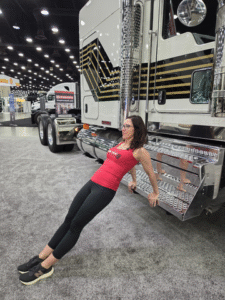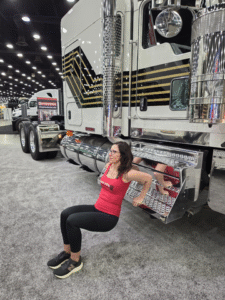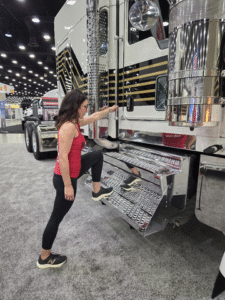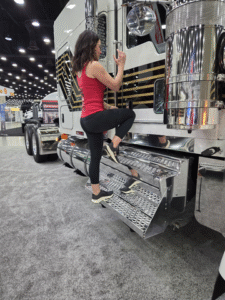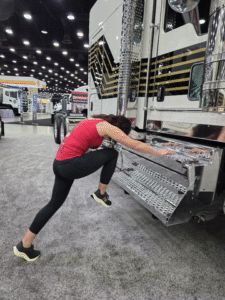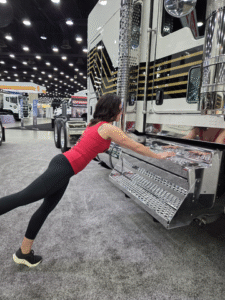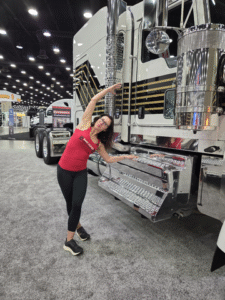
Mobile Fitness Routines for Truckers: Stay Active Anywhere on the Road

, ,

Why Fitness on the Road Feels So Hard

Staying active as a truck driver isn’t just difficult—it can feel nearly impossible.

Long hours behind the wheel.
Limited space.
Unpredictable schedules.

And when your day is built around miles, deadlines, and rest stops, fitness often becomes an afterthought.

But here’s the truth:
You don’t need a gym to stay active.

Mobile fitness routines for truckers are designed specifically for life on the road—quick, effective, and doable anywhere.

This isn’t about long workouts.
It’s about consistent movement.


The Hidden Cost of Sitting All Day

Driving for hours at a time puts your body in a fixed position. Over time, this can lead to:

  • Tight hips and hamstrings
  • Lower back pain
  • Poor circulation
  • Reduced energy levels

These issues don’t just affect comfort—they impact performance, focus, and long-term health.

The solution isn’t extreme workouts.
It’s small, consistent movement throughout the day.

That’s where mobile fitness routines for truckers come in.


What Are Mobile Fitness Routines?

Mobile fitness routines are short, simple exercises you can do:

  • In or around your truck
  • At rest stops
  • During loading or fueling breaks

They require little to no equipment and can be done in 5–15 minutes.

The goal isn’t intensity.
It’s consistency.

Because even small amounts of movement—done regularly—can dramatically improve how your body feels.


The Benefits of Staying Active on the Road

When you commit to mobile fitness routines for truckers, you’ll start to notice:

1. Reduced Pain and Stiffness
Stretching and moving your body helps loosen tight muscles and improve flexibility.

2. Better Circulation
Movement increases blood flow, which helps reduce fatigue and supports overall health.

3. Increased Energy Levels
Ironically, moving more gives you more energy—especially during long drives.

4. Improved Focus and Alertness
Physical activity helps sharpen your mind, making you more alert behind the wheel.


Simple Mobile Fitness Routines You Can Start Today

You don’t need a complicated plan. Start with these easy, effective movements.


1. Walk It Out (5–10 Minutes)

How to do it:
Take a brisk walk around the truck stop, parking lot, or rest area.

Why it works:
Walking improves circulation, reduces stiffness, and boosts energy quickly.


2. Full-Body Stretch Routine (5 Minutes)

Focus on:

  • Hamstrings
  • Hips
  • Lower back
  • Shoulders

Why it works:
Stretching counteracts the effects of prolonged sitting and improves mobility.


3. Bodyweight Strength Moves (5–10 Minutes)

Try:

  • Squats
  • Lunges
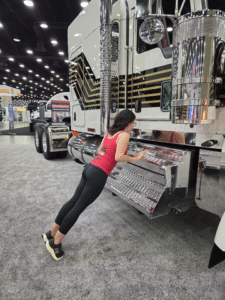
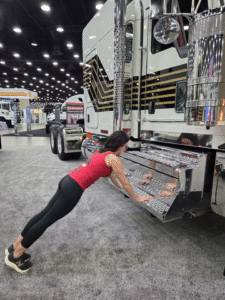
  • Push-ups (use your truck if needed)

Why it works:
These exercises build strength and support better posture while driving.


4. Quick Core Activation (3–5 Minutes)

Try:

  • Standing knee lifts
  • Planks (if space allows)

Why it works:
A strong core supports your lower back and reduces discomfort during long hauls.


How to Fit Fitness Into Your Driving Schedule

The biggest misconception?
That you need a full workout session.

You don’t.

Here’s how to make it work:

During Fuel Stops
Take 5 minutes to stretch or walk.

During Mandatory Breaks
Add a short routine—movement + breathing.

Before or After Driving
Start or end your day with light activity.

The key is stacking movement into moments that already exist in your day.


The Power of Micro-Workouts

Micro-workouts are short bursts of activity—often just a few minutes long.

And they work.

Instead of one long session, you can:

  • Move 5 minutes, 3 times a day
  • Stretch between loads
  • Walk during breaks

This approach fits perfectly with mobile fitness routines for truckers.

It’s realistic.
It’s sustainable.
And it delivers results over time.


Common Mistakes to Avoid

When starting a fitness routine on the road, keep it simple. Avoid these common mistakes:

Doing Too Much Too Fast
Start small. Build consistency first.

Waiting for the “Perfect Time”
There is no perfect time—just available time.

Skipping Movement Completely
Even 3–5 minutes is better than nothing.

Consistency beats intensity every time.


Why This Matters for Drivers and Fleets

For drivers:

  • Less pain and discomfort
  • More energy throughout the day
  • Better focus behind the wheel

For companies:

  • Healthier, more alert drivers
  • Reduced injury risk
  • Improved performance and retention

Wellness isn’t just personal—it impacts the entire operation.


Making Movement a Habit on the Road

The goal isn’t motivation.
It’s habit.

Start with one simple commitment:
Move your body at least once during every break.

Over time, this becomes automatic.

And that’s when real change happens.


Final Thoughts

You don’t need a gym membership.
You don’t need a strict routine.

You need movement that fits your lifestyle.

Mobile fitness routines for truckers make it possible to stay active—no matter where the road takes you.

Start small. Stay consistent. Keep moving.

Because your health travels with you.


  1. You May Also Like

    1️⃣ Want More Simple Movements You Can Do in the Truck?

    Read: 5 Reasons You Should Take Regular Driving Breaks & Move More!

    External resource: https://www.cdc.gov/physicalactivity/basics/index.htm

    2️⃣ Struggling With Low Back Pain on Long Hauls?

    Read: Improved Posture: A Truck Driver’s Secret Weapon Against Back Pain

    External resource: https://www.spine-health.com/wellness/ergonomics

    3️⃣ Want to Sleep Better on the Road?

    Read: Sleep Well Drive Well: A Trucker’s Guide to Better Sleep on the Road

    External resource: https://www.sleepfoundation.org

    4️⃣ Need Hydration Help?

    Read: Hydration Hacks for Drivers: Stay Energized This Summer

    External resource: https://www.mayoclinic.org/healthy-lifestyle

Best Trucker Wellness Apps to Stay Healthy on the Road

, ,

Why Trucker Wellness Needs Technology

Life on the road doesn’t come with structure.

There’s no set gym time.

No consistent meal schedule.

And definitely no predictable sleep routine.

That’s why so many drivers struggle with:

  1. Fatigue
  2. Stiffness and pain
  3. Poor nutrition
  4. Stress and burnout

But here’s the good news—technology is changing that.

Trucker wellness apps are making it easier than ever to stay healthy, even in a truck cab, at a rest stop, or during a 10-minute break.

This isn’t about perfection.

It’s about support.

The Rise of Wellness Tech for Drivers

Drivers today have access to tools that didn’t exist even a few years ago:

  1. Mobile fitness programs
  2. Guided breathwork and stress apps
  3. Hydration reminders
  4. Sleep trackers

These tools help you stay consistent—without needing a gym or strict routine.

And consistency is what creates real results.

What to Look for in a Trucker Wellness App

Not all apps are created equal.

For drivers, the best apps are:

  1. Simple and easy to use
  2. Low data usage
  3. Quick-session friendly (5–15 minutes)
  4. Offline-capable when possible

You need tools that work with your lifestyle—not against it.

Top Types of Trucker Wellness Apps

Let’s break down the most effective categories.

1. Fitness and Mobility Apps

Sitting for long hours creates tight hips, back pain, and poor circulation.

Fitness apps designed for short workouts help you:

  1. Stretch between loads
  2. Improve mobility
  3. Reduce stiffness

Even 5–10 minutes a day makes a difference.

2. Breathwork and Stress Relief Apps

Driving long hours, traffic, deadlines—it adds up.

Breathwork apps guide you through:

  1. Deep breathing exercises
  2. Stress reduction techniques
  3. Focus and relaxation practices

Perfect for breaks, before sleep, or after a stressful drive.

3. Sleep Tracking Apps

Sleep is one of the biggest challenges for drivers.

Sleep apps help you:

  1. Track sleep quality
  2. Improve sleep habits
  3. Create better rest routines

Better sleep = better focus, safety, and energy.

4. Hydration and Nutrition Apps

Dehydration is more common than you think on the road.

These apps remind you to:

  1. Drink water regularly
  2. Track meals
  3. Make healthier food choices

Small changes here can drastically improve energy levels.

How to Use Apps Without Overcomplicating Your Day

The goal isn’t to download 10 apps and feel overwhelmed.

Start with 1–2 tools:

  1. One for movement
  2. One for stress or hydration

Use them daily—even for just a few minutes.

That’s where the real benefit comes in.

The Reality: Tech Supports, But You Still Show Up

Apps don’t do the work for you.

They remind you.

They guide you.

They support you.

But you still have to:

  1. Take the stretch break
  2. Do the breathing exercise
  3. Drink the water

The difference? You’re no longer doing it alone.

Why This Matters for Drivers and Companies

For individual drivers:

  1. Better energy
  2. Less pain
  3. Improved focus

For fleets and companies:

  1. Reduced injuries
  2. Increased productivity
  3. Better driver retention

Wellness isn’t just personal—it’s professional.

Final Thoughts

You don’t need a gym.

You don’t need hours of free time.

You need the right tools—and the willingness to use them.

Trucker wellness apps are one of the simplest ways to stay consistent, no matter where the road takes you.

Start small. Stay consistent. Stay moving.

You May Also Like

1️⃣ Want More Simple Movements You Can Do in the Truck?

Read: 5 Reasons You Should Take Regular Driving Breaks & Move More!

External resource: https://www.cdc.gov/physicalactivity/basics/index.htm

2️⃣ Struggling With Low Back Pain on Long Hauls?

Read: Improved Posture: A Truck Driver’s Secret Weapon Against Back Pain

External resource: https://www.spine-health.com/wellness/ergonomics

3️⃣ Want to Sleep Better on the Road?

Read: Sleep Well Drive Well: A Trucker’s Guide to Better Sleep on the Road

External resource: https://www.sleepfoundation.org

4️⃣ Need Hydration Help?

Read: Hydration Hacks for Drivers: Stay Energized This Summer

External resource: https://www.mayoclinic.org/healthy-lifestyle

Heart Health for Truckers: Prevention Strategies and On-the-Road Fitness

, ,

Heart disease is a major risk for truck drivers, but it doesn’t have to be inevitable. Heart health prevention for truckers is about realistic, actionable strategies that fit into life on the road. Combining movement, nutrition, stress management, and routine monitoring keeps your heart strong, your energy high, and your driving safe.

This blog covers practical ways drivers can protect cardiovascular health – without needing a gym, a personal chef, or a completely new schedule.

Why Prevention Matters

Truckers face unique challenges that increase heart disease risk:

  1. Long hours of sitting
  2. Limited access to fresh foods
  3. High stress and tight deadlines
  4. Irregular sleep patterns

Preventing heart disease isn’t just about longevity – it’s about performance, alertness, and safety. Every healthy choice protects both your heart and your career.

Movement as Medicine

Regular movement is the cornerstone of heart health prevention.

Simple strategies while on the road:

  1. Walking breaks: 5–10 minutes every 2–3 hours at rest stops or fuel stations.
  2. Cab stretches: Neck rolls, shoulder shrugs, and torso twists keep circulation flowing.
  3. Strength mini-workouts: Bodyweight squats, lunges, or push-ups in parking lots.
  4. Yoga flows: Short 5–10 minute sequences to open the chest, improve posture, and stimulate circulation.

Even brief activity reduces blood pressure, lowers cholesterol, and improves heart function. Consistency matters more than duration.

Cardio-Friendly Options for Truckers

While long-distance cardio may be difficult, there are practical ways to boost cardiovascular health:

  1. March in place or do high knees during breaks
  2. Jumping jacks or step-ups on safe surfaces
  3. Resistance band routines in the sleeper cab
  4. Short brisk walks during lunch or fuel stops

These small bursts improve heart rate variability and support long-term cardiovascular health.

Nutrition Strategies for Heart Protection

Healthy eating on the road is challenging but doable. Key strategies:

  1. Pack healthy snacks: Nuts, fruit, protein bars, or jerky
  2. Choose grilled or baked options: At diners, restaurants, or truck stop cafes
  3. Limit sodium and sugar: High-sodium meals increase blood pressure; sugary drinks spike blood sugar
  4. Hydrate consistently: Aim for at least 64 oz water per day, adjusting for climate and activity

Small, intentional choices compound over weeks and months to reduce cardiovascular strain.

Stress Management for a Healthy Heart

Chronic stress is one of the biggest silent killers for truck drivers. Stress increases cortisol, blood pressure, and inflammation – all harmful to the heart.

Stress-reducing techniques on the road:

  1. Breathing exercises: Deep diaphragmatic breathing or box breathing
  2. Mindful breaks: Pause for 2–5 minutes, focus on the present moment
  3. Journaling: Track thoughts or plan for upcoming stops
  4. Listening to calming audio: Music, podcasts, or guided meditations

Even brief stress management sessions protect your heart over time.

Sleep: Essential for Heart Recovery

Sleep deprivation increases heart disease risk. Even with irregular schedules, truckers can prioritize sleep:

  1. Darken the sleeper cab with blackout curtains
  2. Keep the cab cool and ventilated
  3. Limit caffeine 4–6 hours before bedtime
  4. Create a brief pre-sleep routine: stretching, breathing, or quiet reflection

A well-rested heart performs better – lowering blood pressure, improving circulation, and reducing fatigue on the road.

Routine Monitoring and Check-Ups

Prevention includes keeping track of key health indicators:

  1. Blood pressure: Portable cuffs make monitoring easy
  2. Heart rate and rhythm: Track changes that may signal issues
  3. Weight and swelling: Sudden changes may indicate fluid retention
  4. Medical screenings: Annual check-ups and lab work are non-negotiable

Early detection is the strongest defense against heart disease.

Putting It Together: On-the-Road Prevention Plan

Here’s a simple routine drivers can integrate daily:

  1. Movement: Walk or stretch every 2–3 hours
  2. Nutrition: Replace one processed meal with a heart-healthy option
  3. Stress management: 5-minute breathing exercises twice a day
  4. Sleep: Prioritize consistent rest using blackout curtains and cool temperatures
  5. Hydration: Carry a refillable water bottle and sip throughout the day
  6. Monitoring: Track blood pressure, heart rate, and weight weekly

Even small, consistent actions compound into significant heart protection.

Practical Tips for Busy Drivers

  1. Meal prep: Bring pre-portioned healthy snacks
  2. Use rest stops strategically: Combine fueling with walking or stretching
  3. Technology aids: Fitness apps or reminder alarms help maintain habits
  4. Accountability: Share health goals with fellow drivers, family, or a coach

Prevention isn’t about perfection – it’s about making heart-smart choices every day.

You May Also Like

Stay Active and Thrive on the Road: Tips for Truck Drivers During the Holidays
Learn simple movement strategies to protect your body and heart on the road.

🔗https://www.mothertruckeryoga.com/2024/12/08/stay-active-and-thrive-on-the-road-tips-for-truck-drivers-during-the-holidays/

🌐 https://www.cdc.gov/physicalactivity

Stressed Out on the Road? Here’s How Yoga Helps Truck Drivers Stay Calm
Discover practical stress-management tools designed for truck drivers.

🔗 https://www.mothertruckeryoga.com/2025/08/20/stress-relief-for-truck-drivers/

🌐 https://www.heart.org/en/healthy-living/healthy-lifestyle/stress-management

Improved Posture: A Truck Driver’s Secret Weapon Against Back Pain
See how mobility and posture support circulation and heart health.

🔗https://www.mothertruckeryoga.com/2024/02/20/trucker-improved-posture-secret-weapon-secret-weapon-against-back-pain/

🌐 https://www.mayoclinic.org/healthy-lifestyle

Summer Fitness on the Road: 5 Quick Routines for Hot Days
Explore quick routines that support circulation and cardiovascular health.

🔗https://www.mothertruckeryoga.com/2025/07/23/summer-fitness-on-the-road-5-quick-routines-for-hot-days/

🌐 https://www.nhlbi.nih.gov/science/heart-and-vascular-diseases

Truck Driver Posture Fix: Simple Wall Exercises for Better Health on the Road

, ,

Truck Driver Posture Fix: Simple Wall Exercises for Better Health on the Road

When you think about trucking health, posture might not be the first thing that comes to mind. But here’s the truth: truck driver posture matters more than most realize. Sitting behind the wheel for hours at a time, leaning forward, or rounding the shoulders takes a toll on the spine, muscles, and even your energy.

If posture isn’t addressed first, every stretch or exercise you do afterward may simply reinforce poor alignment. That’s why focusing on posture is one of the most important steps you can take for your health as a driver.

What Happens When Posture Breaks Down

The effects of poor posture add up quickly, especially when you’re driving:

  1. Forward head posture puts strain on the neck and shoulders, leading to tension headaches and stiffness.
  2. Rounded shoulders reduce lung capacity and make breathing less efficient.
  3. Upper back and neck strain can trigger pain that radiates into the arms or cause numbness and tingling.
  4. Core weakness worsens because the body isn’t stacked in proper alignment.

Research shows that forward head posture can increase the weight load on your cervical spine by up to 60 pounds depending on the angle of the tilt. That’s like carrying an extra toddler around your neck all day — no wonder drivers feel sore.

The Benefits of Good Posture

When posture improves, everything else gets easier:

  1. Reduced muscle stiffness and joint pain
  2. Easier, more efficient breathing
  3. Better digestion and circulation
  4. Improved energy and focus
  5. More effective exercise and stretching

Good posture isn’t about being perfect. It’s about teaching your body to move and hold itself in alignment so everything else you do works better.

The Wall Cactus: A Driver’s Posture Reset

Here’s one of my favorite exercises you can do right now to start improving your posture:

Step One: Wall Cactus

  1. Stand with your back against a wall (or the side of your truck).
  2. Place your heels at the baseboard or aligned with the truck.
  3. Lift your arms into a cactus position and press them against the wall.
  4. Keep your rib cage from popping forward.
  5. Slowly slide your arms upward without arching your back or letting your arms come off the wall.
  6. Return to 90 degrees and repeat 10 times slowly.

Step Two: Shoulder Rotations in Cactus Pose

  1. Stay in cactus pose against the wall.
  2. Rotate one arm downward at the shoulder only, without letting the shoulder roll off the wall.
  3. Notice how far you can go, then return to cactus.
  4. Repeat on the opposite side.
  5. Perform 10 rotations per side.

These two exercises together strengthen your back, open your chest, and retrain your shoulders to stay aligned.

Why Truck Drivers Need This

Truck drivers spend hours seated, often with their hands forward on the wheel. Over time, this encourages rounded shoulders, tight chest muscles, and weak upper backs. The Wall Cactus series helps undo those patterns, creating balance so drivers can breathe easier, move more freely, and experience less pain.

Even just 5 minutes a day makes a difference.

Keep Building Better Posture

If you’re ready to take your posture (and your health) even further, my book Trucking Yoga: Simple Moves for the Road includes a step-by-step guide to good posture in both the driver’s seat and standing. It’s designed specifically for drivers, with practical tools you can use anytime, anywhere — no gym or fancy gear required.

👉 Check out the Trucking Yoga book here

Remember: your posture is the foundation of your health. Small changes today can lead to big improvements tomorrow.

Why Mother Trucker Yoga Is Different — And Why Driver Lifestyle Wellness™ Is the Future of Trucking Health

, ,

Why Mother Trucker Yoga Is Different — And Why Driver Lifestyle Wellness™ Is the Future of Trucking Health

When it comes to truck driver health, there’s no shortage of quick fixes: pledges, 30-day challenges, free sign-ups. They sound good, but here’s the truth — those rarely create lasting change. Why? Because your health isn’t about signing a paper or downloading another free app. It’s about commitment, accountability, and daily choices that fit into your life behind the wheel. Driver Lifestyle Wellness At Mother Trucker Yoga (MTY), we do things differently. Our Driver Lifestyle Wellness™ approach is built on real behavior change, real coaching, and real results. Let me explain why.

The Problem with Traditional Programs

Too often, health programs for drivers are bulky, unrealistic, or designed by people who have never set foot in a truck cab. They pile on exercises, meal plans, and routines that sound great on paper but quickly fall apart once the program ends. Research proves why this happens. A meta-analysis of health habit formation showed that building new habits takes an average of 59–66 days, and often up to 154 days — not 7 days, not 30 days. That’s why quick-hit programs don’t last: the brain and body simply need more time and repetition to lock in change. And when nearly 69% of long-haul drivers are obese (compared to 31% of the general workforce) and over 53% of commercial drivers are obese (26% morbidly obese), we can’t afford to keep offering short-term band-aids. Obesity, high blood pressure, diabetes, and sleep disorders are far too common among drivers — with one study finding 73.5% of drivers had abnormal weight and 70% had abnormal blood pressure. Drivers deserve better.

How Mother Trucker Yoga Is Different

Here’s how our Driver Lifestyle Wellness™ model stands apart: 1. Small, Simple Changes vs. Bulky Programs Instead of giving you a 90-minute gym routine or restrictive diet, we focus on bite-sized, doable actions you can take today. Stretch while fueling, roll out your feet in the cab, hydrate with intention — each step builds momentum without overwhelming you. When the program ends, your health journey doesn’t. 2. Group Coaching and Accountability Change is easier when you’re not alone. That’s why our programs provide group coaching, real-time accountability, and community support. Truckers motivate truckers. You don’t just sign a pledge — you sign on with a team that walks (and drives) the road with you. 3. Mindfulness + Movement Fitness is more than just physical. Stress, mindset, and mental health directly affect your body. That’s why mindfulness practices, breathwork, and stress management tools are woven into everything we do. Because when your mind calms down, your body follows. 4. Real Solutions for Real Drivers Every tool we offer is designed to fit into a driver’s lifestyle — not work against it. No fancy gym. No complicated equipment. Just strategies you can do on the road, in your cab, or at a truck stop.

Why Driver Lifestyle Wellness™ Is the Future

The trucking industry is finally waking up to the fact that driver health isn’t just a personal issue — it’s a business one. Healthy drivers are safer drivers. They stay in the industry longer, cut down on medical costs, and improve retention. That’s why Mother Trucker Yoga’s Driver Lifestyle Wellness™ is the wave of the future. It’s not about a temporary challenge or one-off program. It’s about a holistic, sustainable system that works with drivers, not against them. And the numbers back it up: with obesity, hypertension, and chronic conditions at alarming rates, the time for a new approach is now. One where drivers have skin in the game, support at their back, and tools that actually work in the real world of trucking.

Final Thoughts

If you’re tired of signing pledges that don’t change anything, if you’ve tried programs that were too big to stick with, or if you’re looking for something designed by someone who truly understands life behind the wheel — then Mother Trucker Yoga is for you. Your health doesn’t have to be complicated. It just has to be consistent.

You May Also Like

Why Stretch Breaks Make Truckers Safer (and 5 You Can Do Anywhere) Take regular truck driver stretch breaks to stay alert, improve circulation, and reduce fatigue while driving. 👉 Read it here 🔗 FMCSA on driver fatigue and safety
How Posture Affects Driving Safety (and How to Fix It on the Road) Learn how improving your posture for driving safety reduces back pain and helps you stay focused behind the wheel. 👉 Read it here 🔗 Mayo Clinic on office ergonomics and posture
Aching After a Long Haul? Try These Yoga Moves for On-the-Road Pain Relief Relieve stiffness and pain with simple yoga for trucker pain relief exercises designed for life on the road. 👉 Read it here 🔗 NIH on yoga for pain management
Stressed Out on the Road? Here’s How Yoga Helps Truck Drivers Stay Calm Discover how stress relief for truck drivers through yoga techniques can keep your mind and body balanced. 👉 Read it here 🔗 American Psychological Association on stress management

STEP-tember Day 4 The Benefits of Walking with a Weighted Vest for Truck Drivers

, ,

The Benefits of Walking with a Weighted Vest for Truck Drivers

Happy Trucker Appreciation Week, drivers! September is more than just the start of fall—it’s what I like to call Step-tember, a time to celebrate truckers and encourage healthier habits on and off the road. Walking is one of the easiest, most effective ways to stay healthy, and today we’re going one step further: adding a weighted vest to your walking routine. DAY 4

If you’ve never tried one, a weighted vest can take your walk from good to great by strengthening your body, burning extra calories, and even helping with posture—something every driver needs.

Why Walking Is the First Step to Better Health

Walking is free. You can do it anywhere, anytime—even inside your truck while on a break. Studies show that walking improves metabolism, supports digestion, and even acts as a natural antidepressant by boosting dopamine and other “feel-good” brain chemicals (Harvard Health).

For truck drivers especially, walking can:

  • Help relieve constipation by stimulating digestion. 
  • Reduce feelings of stress and anxiety. 
  • Improve circulation after long hours of sitting. 
  • Keep muscles active that otherwise get tight or weak behind the wheel. 

If you’re already walking, you’re on the right track. But if you want to level up—let’s talk weighted vests.

Why Add a Weighted Vest to Your Walk?

A weighted vest is exactly what it sounds like: a vest you wear while walking that adds extra weight to your body. This simple tool provides several major benefits for drivers:

  1. Burn More Calories
    If you only have 10–20 minutes to walk, wearing a weighted vest can help you burn more calories in the same amount of time. Think of it as doubling down on the effort you’re already making. 
  2. Improve Bone Density
    Both men and women experience bone loss as they age, which can lead to osteoporosis. Adding a little resistance through weight-bearing activities like walking with a vest helps strengthen bones (NIH Osteoporosis & Related Bone Diseases Center). 
  3. Strengthen Core, Back & Glutes
    Sitting for long hours in the cab weakens your glutes, strains your lower back, and turns off your core muscles. A weighted vest naturally encourages better posture and forces these muscles to activate while walking. 
  4. Add Variety Without Complication
    Unlike gym equipment, a vest is small, portable, and easy to use anywhere—whether you’re on a 30-minute break or stretching your legs at a rest stop. 

How to Choose the Right Weighted Vest

Not all vests are created equal, and starting too heavy can do more harm than good. Here’s what you need to know:

  • Start Light: A safe starting point is 5–10% of your body weight. For example, if you weigh 200 pounds, begin with 10–15 pounds. If you’re brand new to exercise, consider starting even lighter. 
  • Watch for Warning Signs: If you feel back, shoulder, or neck pain—or if shin splints suddenly appear—it’s a sign your vest is too heavy. Scale back before adding more weight. 
  • Look for Comfort & Fit: Sleeker vests that fit under a jacket or sweatshirt are often better for truckers than bulky, military-style vests that can feel hot and heavy. 
  • Progress Gradually: Just like lifting weights, you can increase resistance over time. Start at 8 pounds, then build up to 10, 12, or 15 pounds as your body adapts. 

When (and When Not) to Wear a Weighted Vest

Best times to wear one:

  • On daily walks around your truck, parking lot, or neighborhood. 
  • While doing bodyweight exercises like squats, lunges, or step-ups. 
  • During short breaks to maximize calorie burn. 

When to avoid it:

  • If you’re brand new to exercise—start walking first, then add weight later. 
  • If you have existing back or joint pain. 
  • On long hauls where comfort and mobility are more important. 

Real-Life Tips for Truckers

  • Try walking in place inside your truck while watching TV or talking on the phone. 
  • Roll out your feet with a massage ball before walking to relieve tension and prevent plantar fasciitis (Road Relief Wellness Massage Balls). 
  • Track your daily steps—challenge yourself to add one extra mile this week. 

A Final Word on Change

Change isn’t always easy. Whether it’s walking more, trying a weighted vest, or adjusting your routine, it can feel uncomfortable at first. But as I often remind my clients: If what you’ve been doing was working so well, wouldn’t you already be where you want to be?

So maybe the small change you need this season is as simple as adding a weighted vest to your walk. Your bones, muscles, and future self will thank you.

📺 Watch the Video: https://youtu.be/7VobIPAPjAI

Hope Zvara on the Benefits of Weighted Vests (insert YouTube/Facebook link)

You May Also Like:

CDC: The Benefits of Walking – Research-based reasons walking is one of the best forms of exercise.

DAY 4

STEP-tember Day 2: Mindful Walking for Truck Drivers | Add 1 Extra Mile (2,000 Steps)

, ,

STEP-tember Challenge Day 2: Mindful Walking for Truck Drivers

Happy Trucker Appreciation Week! 🚛 On Day 2 of the STEP-tember Challenge, we’re diving into something that can change how you feel every single day on the road: mindful walking.

Yesterday, we kicked things off with the invitation to walk one extra mile a day (about 2,000 steps). Today, we’re focusing on how you walk—because the way your feet move can impact everything from your knees to your lower back.

👉 Watch Day 2 here: STEP-tember Day 2 Video

Why Mindful Walking Matters

Walking isn’t just about getting steps in—it’s about how those steps are taken. For truck drivers who spend long hours sitting, every intentional step helps correct movement patterns and reduce pain.

When you walk with intention:

  • Your feet track forward, reducing strain on knees and hips 👣

  • You engage muscles evenly, improving balance and posture 💪

  • You prevent chronic pain caused by years of misalignment 🚑

  • You stay present and lower stress by focusing on your body 🧠

Even small changes—like pointing your feet forward instead of slightly out—can take pressure off your knees, hips, and back.

Check Your Shoes for Clues

Want to know how you’ve been walking? Look at the bottom of your shoes.

  • Outer edges worn down? You’re walking on the outside of your feet.

  • Uneven tread? That could signal a hip or gait imbalance.

  • Heel drag? Your walking pattern may be stressing your joints.

Mindful walking starts with awareness. Once you see the patterns, you can begin correcting them one step at a time.

Tools to Support Mindful Walking

Adjusting how you walk may feel uncomfortable at first. That’s where recovery tools come in:

  • Road Relief Massage Ball Duo – Roll your feet for 30 seconds daily to release tight fascia and improve flexibility.

  • Massage Gun or Foam Roller – Use on hips and thighs to ease tension as your body adjusts to new walking patterns.

👉 Get your Massage Ball Duo Travel Set here and use code STEP10 for 10% off during STEP-tember.

Today’s Challenge: Walk With Intention

Here’s your action step for Day 2:

  1. Add 1 extra mile (2,000 steps) today.

  2. Walk with your feet pointing forward—not turned out or in.

  3. Pay attention to how your body feels as you move.

Remember: it takes 6–12 weeks for fascia (the connective tissue in your body) to regenerate and adapt. That means the mindful steps you take today can reshape your health for months and years to come.

You May Also Like

  • The Hidden Power of Breathwork for Entrepreneurs – Discover how mindful breathing reduces stress and boosts focus.

  • Staying Active and Healthy During Long Hauls – Practical movement tips for truckers on the road.

  • CDC – Walking: A Step in the Right Direction – Research-backed benefits of walking regularly.

Why Stretch Breaks Make Truckers Safer (and 5 You Can Do Anywhere)

, ,

Why Stretch Breaks Make Truckers Safer (and 5 You Can Do Anywhere)

When you think about trucking safety, what comes to mind? Maybe speed limits, blind spots, or DOT regulations. But here’s a safety factor many overlook: Truck driver stretch breaks.

Yes — stretching. It might not sound as important as brake checks or logbooks, but the truth is, your ability to react, stay alert, and drive safely is tied directly to how your body feels. And after sitting for hours, stiffness and fatigue are more than just uncomfortable — they’re a safety risk.

Let’s break down why stretch breaks matter for truckers, and five moves you can start using today to feel better, stay safer, and keep rolling strong.

Why Stretching Matters for Truck Drivers

Truckers spend more time sitting than almost any other profession. According to the CDC, long periods of sitting increase risks of musculoskeletal pain, fatigue, and decreased circulation (CDC – Benefits of Physical Activity).

Here’s why that matters for safety:

  1. Stiff Muscles = Slower ReflexesTight hips, shoulders, and backs mean your body can’t move as freely. That half-second delay in turning your head or hitting the brake can be critical.
  2. Poor Circulation = FatigueSitting for too long reduces blood flow, which contributes to drowsiness and swelling in the legs.
  3. Tension = Pain & DistractionDriving with an aching back or stiff neck takes focus away from the road.
  4. Movement = AlertnessStudies show short bouts of physical activity improve focus, cognitive performance, and mood.

👉 Translation: Stretching isn’t just “nice to do.” It’s one of the cheapest, fastest safety tools you already have.

When Should Truckers Stretch?

The best stretch is the one you actually do. Aim for:

  1. Every 2–3 hours on the road (whenever you fuel up or take a bathroom break).
  2. At rest stops before meals to help digestion and circulation.
  3. Before bed in your sleeper to improve sleep quality.

Even 2–5 minutes makes a difference. Think of stretching like checking your mirrors — small adjustments that prevent big problems.

5 Simple Stretch Breaks for Truck Drivers

You don’t need a yoga mat, fancy clothes, or even a lot of space. These stretches are cab-friendly and parking-lot-approved.

1. Seated Spinal Twist

For back stiffness & alertness

  1. Sit tall in your driver’s seat.
  2. Place right hand on the outside of your left thigh.
  3. Gently twist torso to the left, looking over your shoulder.
  4. Hold for 20–30 seconds, breathe deeply. Switch sides.

👉 Benefits: Relieves lower back stiffness, improves spinal mobility.

2. Standing Chest Opener

For rounded shoulders & better breathing

  1. Stand tall behind your cab.
  2. Clasp hands behind your back (or grab your wrist).
  3. Squeeze shoulder blades together and lift chest.
  4. Hold for 20–30 seconds, breathing deeply.

👉 Benefits: Improves posture, opens chest, increases lung capacity.

3. Hamstring Stretch (One-Legged)

For tight legs & circulation

  1. Place heel on your step or trailer edge.
  2. Keep leg straight, hinge forward at hips (not lower back).
  3. Hold 20–30 seconds per leg.

👉 Benefits: Reduces lower back strain, improves blood flow in legs.

4. Neck Stretch Series

For tension headaches & road scanning

  1. Sit or stand tall.
  2. Drop right ear toward shoulder, hold 20 seconds.
  3. Switch to left side.
  4. For bonus, gently tuck chin down and hold.

👉 Benefits: Relieves neck stiffness, improves head-turning for blind-spot checks.

5. Hip Flexor Stretch

For stiff hips from long sitting

  1. Stand with one foot forward, one back (like a lunge).
  2. Bend front knee, keep back leg straight, and shift hips forward.
  3. Hold 20–30 seconds per side.

👉 Benefits: Loosens tight hips, supports lower back, helps posture.

The Safety Impact of Stretch Breaks

Stretch breaks aren’t just about feeling better. They’re about driving safer.

  1. Reaction Time → Looser muscles = faster movements.
  2. Focus & Alertness → Movement improves blood flow and oxygen to the brain.
  3. Pain Reduction → Less distraction from aches = more attention to the road.
  4. Long-Term Health → Less risk of chronic pain = fewer missed days and longer careers.

In fact, one study found that short movement breaks throughout the day improve focus and reduce fatigue just as effectively as longer exercise sessions (NIH, 2019).

From Pain to Performance: A Truck Driver’s Secret Weapon

Most drivers don’t think of stretching as part of their job. But in reality, it’s one of the simplest tools to help you stay safe, alert, and comfortable.

Think of it like fueling your truck: ignore it, and sooner or later, you’ll break down. Take a few minutes for stretch breaks, and you’ll notice:

  1. Less back pain
  2. More energy on long hauls
  3. Better mood at the end of the day
  4. Increased focus behind the wheel

🌟 Final Thoughts

Stretching won’t add hours to your logbook, but it will add quality to your hours. By building stretch breaks into your routine, you protect not only your health but also your safety — and the safety of everyone else on the road.

The road can be tough on your body. But with the right stretches, it doesn’t have to be.

✨ Want more simple stretches made for truckers? Check out our Mother Trucker Yoga Jumpstart Programs— designed for drivers, fleets, and CDL schools who want to make wellness a part of the journey. Truck driver stretch breaks

Beat Trucking Fatigue: Simple Yoga Tools to Improve Sleep for Drivers

, ,

Beat Trucking Fatigue: Simple Yoga Tools to Improve Sleep for Drivers

Long-haul trucking isn’t just physically taxing—it’s mentally exhausting when lack of sleep takes its toll. For truckers, irregular schedules, early pickups, and overnight driving mean trucker sleep is often disrupted. And without rest, you’re not just tired—you’re at higher risk on the road. Trucker Sleep

That’s where yoga steps in: with stretching, breathing, and mindful rituals designed to support better rest—even in a cramped sleeper cab.

🛏 Why Sleep Matters for Truckers

Consistently poor sleep leads to impaired reaction time, forgetfulness, mood swings, and burnout. The National Sleep Foundation reports that drivers who don’t get proper rest are more likely to experience near misses or accidents. Addressing trucker sleep isn’t optional—it’s a safety mandate.

🧘‍♀️ How Yoga Supports Better Trucker Sleep

Yoga isn’t just for flexible folks in studios—it’s a suite of simple routines perfect for improving rest on and off the road:

  1. Calming Breath Practice

    The 4-7-8 breath (inhale for 4 seconds, hold for 7, exhale for 8) signals your nervous system to slow down — ideal before lights out.

  2. Gentle Bedtime Stretch

    Seated Hamstring Stretch (even in a trucker-seat!), forward fold, and shoulder rolls ease muscle tension and help your body wind down.

  3. Progressive Muscle Relaxation with Guided Imagery

    Tension-build/release from your toes to your head, combining that with visualizing restful scenes.

  4. Mindful Journaling Ritual

    Carry a small notebook to jot down lingering thoughts before sleep—this mental clearing serves as a buffer between the day’s demands and rest.

💡 Cabin Routine: 5-Minute Pre-Sleep Sequence

Give this a try tonight:

  1. Seated Side Stretch – 30 seconds each side
  2. Neck & Shoulder Release – rolls for 1 minute
  3. 4-7-8 Breathing – 5 rounds
  4. Progressive Muscle Relaxation – 2 minutes

This routine helps signal the body it’s time to rest—even amidst harsh cabin lighting or outside noise.

Curious for more? Check out our On-the-Road Recovery Bundle, featuring audio-guided sleep routines, quick stretches, and driver-targeted breathing practices.

🌐 External Insight

A new report from the American Journal of Lifestyle Medicine found that workplace yoga and mindful breathing improved sleep quality by 30% among shift workers. Given the irregular schedules truckers face, the same benefits apply instantly.

👍 Here’s a trusted reference:“Yoga Interventions for Shift Workers

🧭 Takeaway for Truckers & Fleets

Improving trucker sleep isn’t just personal wellness—it’s about safety, performance, and retention. Fleets implementing short wellness routines report fewer driver fatigue incidents, better morale, and less turnover.

🌀 Final Thought

Better sleep doesn’t require perfect conditions—just consistent, accessible routines. By integrating simple yoga and breathing practices into their night routine, drivers can recover faster, stay safer, and show up refreshed for the next load.

The Mental Load of Trucking: How Yoga Supports Mental Health for Truckers

, ,

The Mental Load of Trucking: How Yoga Supports Mental Health for Truckers

You don’t have to white-knuckle your way through every mile.

For too many drivers, the road isn’t just physically demanding — it’s mentally exhausting.

The deadlines. The isolation. The traffic. The sleep disruption.

And then there’s the pressure to stay alert while your mind is juggling everything from home life to load schedules.

It’s no wonder mental health for truckers is becoming one of the biggest wellness issues in the industry.

But here’s the good news: You don’t have to quit your job or book a vacation to feel better.

With just a few minutes of yoga and breathing a day — right from your cab — you can lighten that mental load and find more peace behind the wheel.

🧠 What Is the Mental Load of Trucking?

The mental load refers to all the invisible weight you carry:

  1. Staying hyper-focused behind the wheel
  2. Remembering appointments, routes, paperwork, DOT logs
  3. Worrying about family while you’re gone
  4. Dealing with traffic, wait times, sleep deprivation

Add in financial stress or poor diet on the road, and it’s a recipe for burnout, anxiety, and even depression.

That’s where yoga comes in.

🧘‍♂️ How Yoga Helps Mental Health for Truckers

Yoga isn’t just stretching — it’s stress relief.

And you don’t need a mat, leggings, or a gym to do it. At Mother Trucker Yoga, we teach “seat-based stretches”, mindful breathing, and mini-movements you can do from the driver’s seat or sleeper.

A few ways yoga helps with mental health:

  1. Lowers stress levels

    Just 3 minutes of deep breathing activates your parasympathetic nervous system (your calm state).

  2. Improves sleep

    A short yoga session before bed can lower cortisol, helping you fall asleep faster — even parked at a rest stop.

  3. Increases focus

    Gentle neck and shoulder movements keep blood flowing and improve mental clarity.

  4. Reduces anxiety

    Studies show that regular yoga lowers the symptoms of anxiety and depression, especially in high-stress jobs.

A study published in the Journal of Occupational Medicine found that mindful movement and breath practices helped reduce perceived stress in transportation workers by over 40%.

(National Library of Medicine)

💡 Try This: 3-Minute Mental Reset for Drivers

Here’s a sample Mother Trucker Yoga move you can try right now:

👉 Seated Belly Breathing

  1. Sit tall in your seat, both feet flat on the floor
  2. Place one hand on your belly
  3. Inhale through your nose for 4 seconds — feel your belly expand
  4. Exhale slowly through your mouth for 6 seconds
  5. Repeat 10 times

This simple move activates your rest-and-digest mode and can lower your stress in under 3 minutes.

👉 Learn more simple moves like this in our Truckers Wellness Program — perfect for drivers, fleets, and CDL schools looking to improve driver wellbeing.

🧭 Not Just for Drivers—For Fleets, Too

Fleets and CDL schools are starting to recognize that mental health for truckers is a safety issue, not just a personal one. When drivers are mentally sharp and emotionally balanced, they’re:

  1. More productive
  2. Less likely to call off
  3. Less prone to road rage, fatigue, and burnout

Even one 5-minute wellness practice a day can make a big difference over time.

🌀 Final Thoughts

If the mental load of trucking feels heavy — that doesn’t mean you’re weak.

It means you’re carrying too much alone.

Yoga can be the release valve your mind and body have been waiting for.

Simple, powerful, and proven — it meets you right where you are: behind the wheel.

Mental Health for Truckers