
Navigating the Parking Predicament: The Urgent Need for the Truck Parking Safety Improvement Act
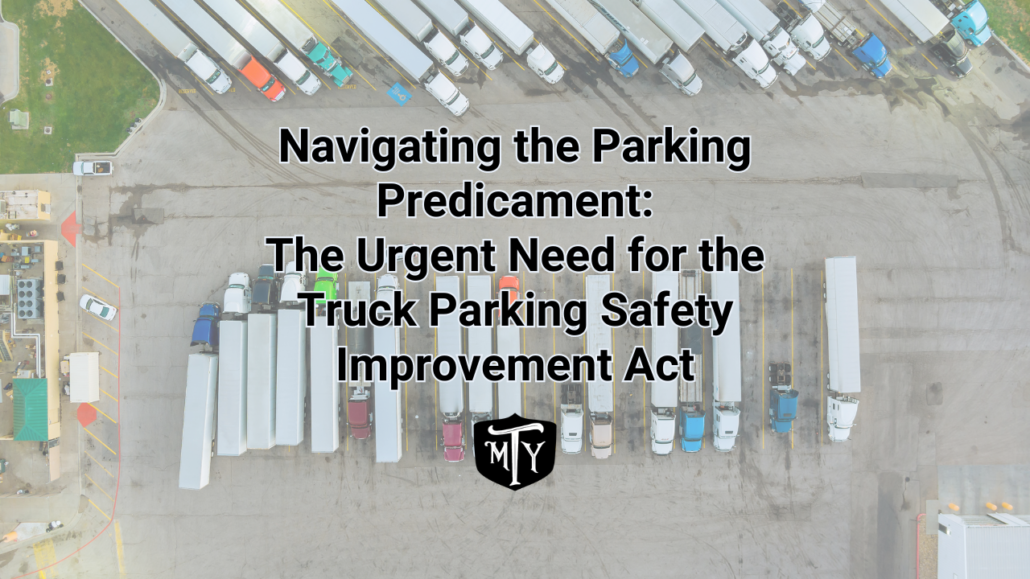
The lifeblood of American commerce, truck drivers, are the unsung heroes of the highway, working tirelessly to deliver goods across the nation. But beneath their relentless drive lies a challenge that is seldom discussed yet deeply affects their safety and well-being: the dire shortage of truck parking spaces.
A Parking Crisis on the Highways
With approximately 3.5 million drivers crisscrossing the extensive network of U.S. roads, one would expect ample facilities for rest and respite. Yet, there’s an alarming discrepancy — for these millions of drivers, there are only about 311,000 parking spots available nationwide. This staggering gap poses not just an inconvenience but a serious safety hazard.The Historical Gridlock
For years, the issue of truck parking has been a discussion parked in the sidelines. Since the advent of commercial trucking, spaces for trucks to safely stop and rest have been scarce. Growing freight demands have only turned up the pressure on existing infrastructure, with drivers often resorting to parking in undesignated and hazardous areas due to lack of availability.The Statistics Spell Urgency
The numbers don’t lie. Surveys and research consistently demonstrate that drivers are losing precious time — an average of nearly an hour — searching for parking each day. This not only impacts economic productivity but also increases the risks of accidents and crime when drivers are forced to park in unsafe, isolated locations.Engine Starting on Initiatives
Recognizing this critical safety and economic issue, legislation such as the Truck Parking Safety Improvement Act has been introduced. This proposed Act aims to allocate federal funds to expand parking capacity through the construction of new parking facilities and the upgrade of existing ones.Paths to a Resolution
Key players in the industry are pushing for impactful changes. From federal funding and local government advocacy to private sector innovation using technology for real-time parking availability, a multifaceted approach is the road forward. Investment in smart infrastructure promises not only to alleviate this crisis but also to bolster efficiency and safety on the highways. It’s time to shift gears from acknowledging the problem to implementing lasting solutions. More parking means more safety, more efficiency, and, ultimately, a more thriving economy. Your Role: Are you ready to drive the change? Don’t let this issue idle any longer. Join us in supporting the Truck Parking Safety Improvement Act. Contact your local representative, spread the word, and let’s pave the way to a safer and more efficient future for our nation’s drivers. Share a comment to share your views on this critical issue in transportation below.


You May Also Like
Why Stretch Breaks Make Truckers Safer (and 5 You Can Do Anywhere) Take regular truck driver stretch breaks to stay alert, improve circulation, and reduce fatigue while driving. 👉 Read it here 🔗 FMCSA on driver fatigue and safetyHow Posture Affects Driving Safety (and How to Fix It on the Road) Learn how improving your posture for driving safety reduces back pain and helps you stay focused behind the wheel. 👉 Read it here 🔗 Mayo Clinic on office ergonomics and posture
Aching After a Long Haul? Try These Yoga Moves for On-the-Road Pain Relief Relieve stiffness and pain with simple yoga for trucker pain relief exercises designed for life on the road. 👉 Read it here 🔗 NIH on yoga for pain management
Stressed Out on the Road? Here’s How Yoga Helps Truck Drivers Stay Calm Discover how stress relief for truck drivers through yoga techniques can keep your mind and body balanced. 👉 Read it here 🔗 American Psychological Association on stress management @MotherTruckerYoga/Blog @MotherTruckerYoga/Facebook



Leave a Reply
Want to join the discussion?Feel free to contribute!