
The New Food Pyramid Explained: A Smarter Way for Truck Drivers to Fuel Their Bodies on the Road
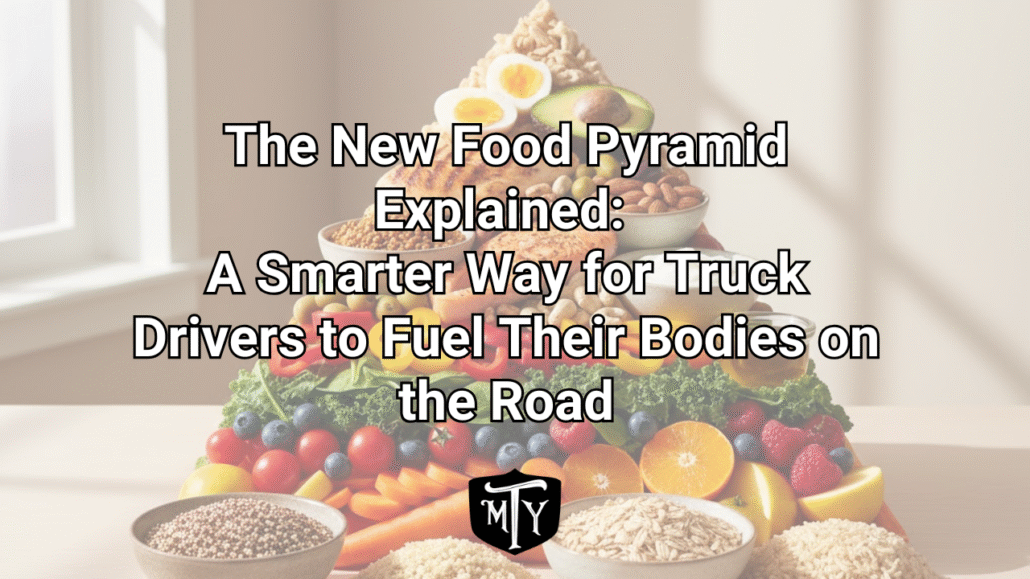
The New Food Pyramid Explained: A Smarter Way for Truck Drivers to Fuel Their Bodies on the Road
For decades, the food pyramid told us to load up on bread, cereal, and grains – even when that advice didn’t match how our bodies actually felt. If you’re a truck driver, you already know this firsthand. Heavy carbs, sugary snacks, and processed meals may be convenient, but they often leave you tired, stiff, inflamed, and craving more. new food pyramid for truck drivers
That’s where the new food pyramid approach comes in.
While the U.S. government no longer uses a traditional pyramid graphic, modern dietary guidance has evolved – and the message is clear: real food, balanced blood sugar, and protein-forward meals matter more than ever, especially for people who spend long hours sitting, driving, and working under stress.
According to major health news coverage, the U.S. Departments of Agriculture and Health and Human Services released the 2025–2030 Dietary Guidelines, which include a redesigned food pyramid emphasizing whole foods, higher protein, and reduced ultra-processed foods. Understanding the new Dietary Guidelines for Americans (Harvard T.H. Chan School of Public Health)
At Mother Trucker Yoga®, we translate wellness science into real-life solutions that work inside a cab, at a truck stop, and on a tight schedule. Let’s break down what the new food pyramid really means – and how drivers can apply it without overthinking nutrition.
Why the Old Food Pyramid Didn’t Work for Drivers
The original food pyramid placed grains at the base, encouraging large portions of bread, pasta, cereal, and rice. For drivers, this often meant:
- Energy crashes mid-shift
• Increased inflammation and joint pain
• Weight gain from constant insulin spikes
• Brain fog and poor focus behind the wheel
Long hours of sitting already slow circulation and digestion. Pair that with highly processed carbs, and the body struggles to regulate blood sugar, hormones, and stress.
The updated guidance moves away from that model.
What the “New Food Pyramid” Really Prioritizes
Instead of stacking food groups vertically, modern nutrition guidance focuses on quality, balance, and metabolic health.
Here’s how that translates into a pyramid-style approach that actually works for truck drivers.
1. Protein as the Foundation (Not an Afterthought)
Protein is now recognized as essential for:
- Muscle preservation
• Blood sugar stability
• Appetite control
• Injury prevention
• Mental focus
For drivers, protein isn’t about bodybuilding – it’s about endurance and recovery.
Driver-friendly protein sources:
• Eggs (boiled or pre-made)
• Greek yogurt
• Beef sticks with clean ingredients
• Rotisserie chicken
• Tuna or salmon packets
• Nuts and seeds
👉 MTY Tip: Aim to include protein at every meal or snack. This prevents the crash-and-crave cycle common on long hauls.
2. Vegetables & Fruits for Inflammation Control
Vegetables and fruits are now emphasized for their anti-inflammatory and micronutrient benefits, not just fiber.
For drivers dealing with back pain, stiffness, digestion issues, or fatigue, this is critical.
Easy road options:
• Baby carrots or snap peas
• Apples, oranges, berries
• Pre-cut salads
• Frozen veggies for truck fridges
Pair produce with protein or healthy fats to keep blood sugar steady.
3. Healthy Fats for Joints, Brain & Hormones
Fats were once feared – now they’re understood as essential.
Healthy fats support:
• Joint lubrication
• Brain function
• Hormone balance
• Long-lasting energy
Best choices for the road:
• Olive oil packets
• Avocados
• Nuts and nut butters
• Fatty fish
This matters for drivers who experience chronic stiffness, low energy, or mood swings.
4. Whole Grains – Supportive, Not Dominant
Grains haven’t disappeared, but they’re no longer the base of every meal.
Whole grains can support digestion and energy when eaten intentionally, not constantly.
Better choices:
• Oats
• Brown rice
• Quinoa
• Whole-grain wraps
Portion matters. Grains work best when paired with protein and vegetables – not eaten alone.
5. Ultra-Processed Foods at the Tip (Limit, Not Live On)
Modern guidance finally acknowledges what drivers already know: ultra-processed foods take a toll.
These foods increase inflammation, disrupt hormones, and contribute to fatigue.
Examples to limit:
• Sugary drinks
• Packaged pastries
• Candy and chips
• Highly refined snacks
At MTY, we don’t believe in perfection – just progress and awareness.
How the New Food Pyramid Supports Driver Wellness
When drivers eat in alignment with this updated approach, they often notice:
- More stable energy
• Less back and joint pain
• Improved digestion
• Better sleep
• Fewer cravings
Nutrition + movement = real change.
That’s why Mother Trucker Yoga® combines simple nutrition education with cab-friendly movement and breathwork – because food and posture are connected.
Simple On-the-Road Meal Formula
Use this easy structure anywhere:
Protein + Produce + Healthy Fat
Examples:
• Chicken + salad + olive oil
• Yogurt + berries + nuts
• Eggs + veggies + avocado
No calorie counting. No complicated rules.
Fuel Your Body, Support Your Drive
The new food pyramid isn’t about restriction – it’s about working with your body instead of against it.
For truck drivers, that means eating in a way that supports:
• Long hours
• Mental focus
• Physical resilience
• A career that demands endurance
At MotherTruckerYoga.com, we believe wellness should fit into your life – not require a lifestyle overhaul.
Your cab is your office.
Your body is your equipment.
Fuel it wisely.
You May Also Like
- Walking It Out: A Trucker’s Guide to Active Breaks on the Road
- Healthy Eating for Truckers: A Guide to Making Nutritious Choices on the Road



Leave a Reply
Want to join the discussion?Feel free to contribute!