
Truck Driver Sleep Health: How to Improve Rest, Focus, and Road Safety
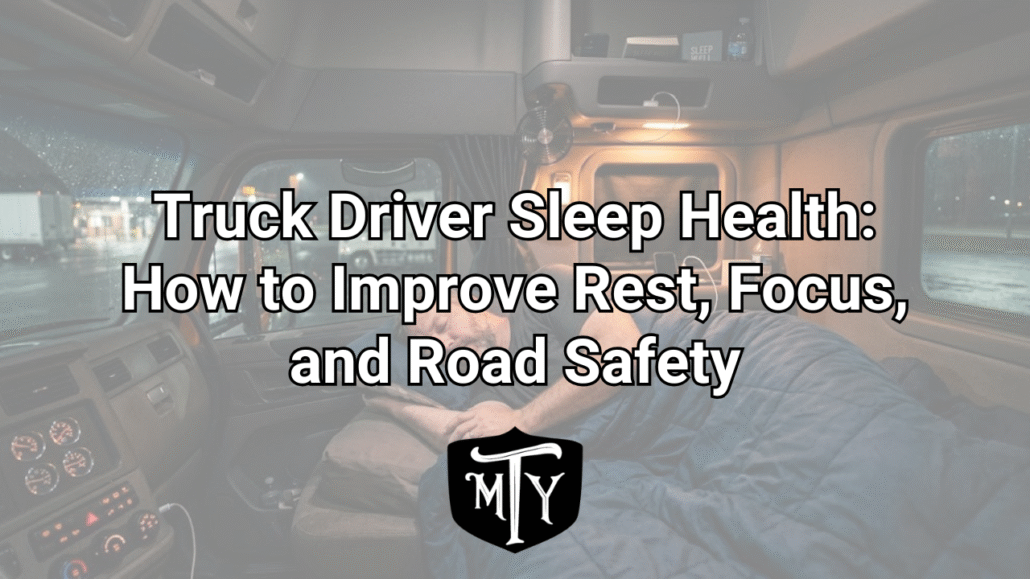
When most people think about trucking, they think about the miles, the schedules, and the deliveries.
But behind every safe trip is something far more important than timing or logistics:
Sleep.
Truck driver sleep health is one of the most overlooked-but most critical-parts of road safety and long-term wellness.
Because when sleep suffers, everything suffers.
Your focus drops.
Your reaction time slows.
Your patience decreases.
Your body becomes more stressed.
And over time, poor sleep doesn’t just affect your job-it affects your entire health.
This is why understanding truck driver sleep health is not optional. It’s essential for survival on and off the road.
Why Sleep Is a Safety Issue, Not Just a Personal One
Sleep is often treated like something optional in the trucking industry-something you get “when you can.”
But research and real-world experience tell a different story.
Poor sleep increases the risk of:
- Accidents and near-misses
- Slower decision-making
- Reduced alertness
- Microsleep episodes (brief moments of unconsciousness)
For CDL drivers, even a few seconds of reduced awareness can be dangerous.
This is why sleep is not just personal wellness-it is road safety.
What Affects Truck Driver Sleep Health
Truck drivers face unique challenges that directly impact sleep quality.
Some of the most common include:
1. Irregular Schedules
Your sleep cycle doesn’t always follow a predictable pattern, which disrupts your internal clock.
2. Sleeping in Different Environments
Each stop can feel different-lighting, noise, temperature, and safety perception all vary.
3. Stress and Mental Load
Time pressure, traffic, deadlines, and logistics keep your mind active even when your body is tired.
4. Caffeine Dependence
Energy drinks and coffee can help you stay alert-but can also disrupt deep sleep if not timed properly.
5. Limited Movement
Long hours of sitting reduce physical fatigue signals that normally help the body prepare for sleep.
All of these factors combine to challenge truck driver sleep health in ways most people don’t experience.
The Hidden Cost of Poor Sleep for Drivers
When sleep becomes inconsistent, the effects don’t just show up behind the wheel-they show up in your body over time.
Poor sleep has been linked to:
- High blood pressure
- Weight gain
- Increased risk of heart disease
- Weakened immune system
- Chronic fatigue
According to public health research, long-term sleep deprivation can significantly increase cardiovascular risks and reduce overall life expectancy.
For drivers, this makes sleep not just important-but protective.
How to Improve Truck Driver Sleep Health on the Road
The good news? You don’t need perfect conditions to improve your sleep.
You need consistent habits.
Here’s how to start building better sleep health as a driver:
1. Build a Sleep-Ready Environment in Your Cab
Even in a truck, your environment matters.
Try to create consistency with:
- Blackout curtains or window covers
- Comfortable bedding you use every night
- A clean, uncluttered sleeper area
- Reduced noise when possible
Your brain learns through repetition.
The more consistent your environment, the easier it becomes to fall asleep.
2. Protect Your Sleep Window
One of the biggest mistakes drivers make is treating sleep as flexible.
Instead:
- Prioritize a minimum sleep window (even 6–7 hours when possible)
- Avoid breaking sleep into too many short fragments
- Reduce interruptions when parked
Consistency helps regulate your body’s internal clock.
3. Manage Stimulants Strategically
Caffeine is a tool-but it needs boundaries.
For better truck driver sleep health:
- Avoid caffeine 4–6 hours before sleep
- Use hydration and light movement for energy instead
- Limit energy drinks late in your shift
This helps your body transition more smoothly into rest mode.
4. Use Wind-Down Rituals
Your body doesn’t switch from “drive mode” to “sleep mode” instantly.
It needs transition time.
Try:
- Deep breathing for 3–5 minutes
- Light stretching or mobility work
- Turning off screens before sleep
Even small rituals signal safety to your nervous system.
5. Regulate Stress Before Sleep
Stress is one of the biggest sleep disruptors for drivers.
Before rest, try:
- Writing down thoughts or concerns
- Listening to calming audio
- Practicing slow breathing
This helps release mental tension so your body can rest.
Why Movement Supports Better Sleep
One of the most powerful but overlooked tools for improving sleep is movement.
When you move your body during the day:
- You reduce physical tension
- You improve circulation
- You support hormone balance
- You help your body recognize fatigue naturally
Even 10–15 minutes of movement can improve sleep quality significantly.
This is why simple driver-focused movement practices-like those used in yoga for truckers-can make a real difference.
Better Sleep = Better Driving Performance
This is where everything connects.
When your sleep improves, you don’t just feel better-you drive better.
You experience:
- Faster reaction times
- Improved focus
- Better emotional regulation
- Increased patience
- Fewer errors
And most importantly, you stay safer on the road.
Sleep is not a passive activity-it is a performance tool.
Building Long-Term Sleep Health on the Road
Improving truck driver sleep health is not about perfection.
It’s about consistency.
Start with:
- One habit at a time
- Small environmental improvements
- Better awareness of your energy patterns
Over time, these changes compound into better rest, better health, and better performance.
Final Thoughts
You spend your life on the road.
Your sleep should support that-not work against it.
When you prioritize truck driver sleep health, you’re not just improving rest-you’re improving your entire quality of life behind the wheel.
Better sleep doesn’t just make you a better driver.
It makes you a healthier, safer, and more focused one.
You May Also Like
Why Stretch Breaks Make Truckers Safer (and 5 You Can Do Anywhere)
Stretch breaks are essential for truckers to reduce fatigue, improve alertness, and lower accident risk by keeping muscles and mind active.
🔗 For further reading, check out “How Stretching Improves Your Trucking Performance” from Highway Driver Leasing. Highway Driver Leasing
Beat Trucking Fatigue: Simple Yoga Tools to Improve Sleep for Drivers
Practicing simple yoga and sleep hygiene helps truck drivers overcome fatigue, improve sleep quality, and perform safely behind the wheel.
🔗 External resource: “Driver Fatigue on the Job” from CDC NIOSH about managing fatigue and sleep risks. CDC
The Mental Load of Trucking: How Yoga Supports Mental Health for Truckers
Yoga offers powerful tools to reduce stress, relieve anxiety, and support emotional wellbeing for drivers dealing with the mental load of life on the road.
🔗 For related insights, see “Sleep Resources” from CDC Sleep. CDC
The Ultimate Truck Driver’s Guide to Managing and Relieving Back Pain Naturally
Addressing back pain naturally through posture, movement, and mobility routines can help truck drivers stay healthy, comfortable, and pain-free.
🔗 See “The Top 10 Stretches for Truck Drivers to Keep Their Bodies Pain-Free on Long Hauls” from AllComIns. AllCom Insurance



Leave a Reply
Want to join the discussion?Feel free to contribute!