Holiday Wellness on the Road: How Truck Drivers Can Manage Stress & Eat Smarter This Season

, ,

Holiday Wellness on the Road: How Truck Drivers Can Manage Stress & Eat Smarter This Season

The holiday season is one of the busiest, most demanding times of the year-especially for truck drivers. While most people are gathering with family, truckers are hauling the goods that make the holidays possible. Long hours, tight schedules, limited food options, and cold weather can make it challenging to stay healthy. But with a few simple strategies, holiday wellness for truck drivers is not only possible-it’s a game-changer for your mood, energy, and long-term health.

This guide breaks down real, practical steps that fit your life on the road, without adding stress or complicated routines.

1. Start With a Simple Morning Reset

A healthy holiday season begins before you even hit the road.

Try this quick 3-minute grounding ritual:

  1. Sit at the edge of your bunk or driver’s seat
  2. Place both feet flat on the floor
  3. Take 3 long inhales and slow exhales
  4. Gently roll your shoulders forward and back
  5. Bring your awareness to how your body feels today

This ritual helps lower stress levels and sets a steady tone for the day.

Small daily habits like this make holiday wellness for truck drivers feel achievable and realistic.

2. Manage Holiday Stress With Micro-Movements

You don’t need a gym to keep stress in check-you just need movement.

Try these Mother Trucker Yoga-approved micro-movements:

• Steering Wheel Wrist Stretch

Helps reduce tension from long hours gripping the wheel.

• Seat Side Twists

Loosens the spine and improves digestion-especially helpful during the holidays.

• Neck Reset Tilt

Releases trapped tension in the upper shoulders and neck.

• 30-Second Walk at Each Stop

A short walk improves circulation and clears mental fog.

These movements take less than five minutes and can drastically reduce stress hormones.

This is what holiday wellness for truck drivers looks like-simple, doable, and effective.

3. Eat Smarter Without Giving Up Your Holiday Favorites

You don’t need a strict diet to stay healthy during the holidays.

You just need better options on hand.

Here’s how to make smarter choices on the road:

Pack Real Snacks Instead of Holiday Junk

Swap this → for this:

  1. Cookies → nuts or trail mix
  2. Sugary drinks → water or electrolyte packets
  3. Chips → beef jerky or whole-grain crackers

Choose “Fuel Foods” at Truck Stops

Look for:

  1. Hard-boiled eggs
  2. Greek yogurt
  3. Oatmeal cups
  4. Salads with protein
  5. Fruit cups

Balance Your Plate

Try following this simple guide:

  1. 1/2 veggies or fruit
  2. 1/4 protein
  3. 1/4 whole grains

You don’t have to be perfect-just consistent.

Every small step builds holiday wellness for truck drivers all season long.

4. Stay Hydrated (Even When It’s Cold)

Cold weather tricks your body into thinking you’re not thirsty.

But dehydration leads to:

  1. fatigue
  2. headaches
  3. mood swings
  4. poor digestion
  5. muscle tension

Keep a reusable water bottle in your cab and aim for steady sips throughout the day.

Try hot herbal tea if you prefer warm drinks. Staying hydrated is one of the easiest ways to maintain holiday wellness for truck drivers all winter long.

5. Protect Your Mental Health During the Holidays

Being away from home can be especially tough this time of year.

Here are a few ways to stay grounded and emotionally connected:

  1. Call or video chat with family regularly
  2. Listen to uplifting podcasts
  3. Play music that boosts your mood
  4. Bring something meaningful from home (a photo, a note, an ornament)
  5. Practice simple breathing exercises

Your mental well-being matters just as much as your physical health-especially during the holidays.

6. Create a “Feel Better Fast” Cab Kit

Every trucker should have a small kit that makes life easier on the road:

  1. Magnesium supplements for muscle tension
  2. Protein bars for quick energy
  3. A small blanket or hand warmer
  4. Herbal tea packets
  5. Reusable water bottle
  6. Eye mask for better sleep

This kit helps you stay prepared and feel supported, even when the schedule gets busy.

You May Also Like

1. Want to Improve Mobility While Driving?

Watch: Check out our guide on simple seat-based stretches every trucker can do.

External Resource: https://www.cdc.gov/transportationsafety

2. Need Help Reducing Stress During Long Hauls?

Read: Trucker Meditation: Techniques for Finding Calm on the Open Road

External Resource: https://www.health.harvard.edu/mind-and-mood

3. Struggling With Back Pain This Season?

Watch: Tips & Stretches For Lower Back Pain With Mother Trucker Yoga

External Resource: https://www.mayoclinic.org/healthy-lifestyle

4. Want Healthier Snack Ideas for the Road?

Read: Healthy Snack Swaps for Drivers on the Move: Smarter Fuel for Long Hauls

External Resource: https://www.choosemyplate.gov

Healthy Snack Swaps for Drivers on the Move: Smarter Fuel for Long Hauls

, ,

Being on the road long hours makes snacking almost inevitable for truck drivers. But too often, those quick bites come from convenience stores loaded with ultra-processed foods, sugary drinks, and salty chips. Over time, those choices drain energy, spike blood sugar, and lead to chronic health issues. nutritious snack swaps for truck drivers

What if instead, your snack choices could fuel your body — keeping you alert, balanced, and feeling strong through long shifts? In this blog, we’ll explore healthy snack swaps tailored for drivers: easy, portable, and real-world.

Why Healthy Snacks Matter for Drivers

  1. Stabilize energy & blood sugar

    Foods high in refined carbs and sugars give you a quick burst, followed by a crash. Swapping in protein, fiber, and healthy fats helps you sustain your energy over hours.

  2. Minimize cravings & overeating

    When you snack on nutrient-dense options, you’re less likely to binge on junk food later.

  3. Support long-term health

    Overconsumption of ultra-processed snacks has been linked to obesity, hypertension, type 2 diabetes, and other chronic diseases. Recent data show that more than half of Americans’ calories come from ultra-processed foods. The Washington Post+1

  4. Make passing DOT physicals easier

    Many diet-related conditions can hurt your ability to qualify as a commercial driver. Choosing better snacking habits helps protect your health and career.

Core Principles for Smarter Snacking

Before we dive into swaps, here are some guiding principles:

  1. Prioritize protein, fiber, and healthy fats — they slow digestion and sustain you.
  2. Keep sodium and added sugar in check — read the nutrition label closely. CDC
  3. Portion it out — don’t eat directly from a large package.
  4. Plan ahead — stash healthy snacks in your rig so you’re never forced to choose poorly.
  5. Use frozen, canned, or shelf-stable options when fresh isn’t available. The CDC recommends using fresh, frozen, or canned fruits (without added sugars) for convenience. CDC

12 Healthy Snack Swaps for the Road

Below are swaps you can make easily. Many are suggested in trucking wellness circles (e.g. CloudTrucks, Smart-Trucking) and supported by nutritional guidelines (e.g. CDC, American Heart Association):

Swap Why It’s Better Tips / Variation
Jerky (low-sodium, natural) instead of sugary bars High in protein, portable, no crash Choose brands without nitrates or high salt. CloudTrucks+1
Tuna pouches instead of greasy chips Adds protein + healthy fats Use plain or lightly seasoned. Great with whole-grain crackers. CloudTrucks
Popcorn (air-popped) instead of potato chips Whole grain, low calorie if unsalted & unbuttered Avoid microwave versions drenched in oil.
Hard-boiled eggs over candy bars Rich in protein and healthy fats Eat within a cooler or insulated bag. CloudTrucks
Greek yogurt (plain, no added sugar) with berries instead of sweetened yogurt Yogurt adds probiotics + protein, berries add fiber Add a sprinkle of nuts or seeds.
Nuts & seeds instead of salted snack mixes Contain healthy fats and satisfy cravings Choose raw or dry-roasted unsalted versions. NETTTS+1
Veggies + hummus instead of chips Crunch, fiber, and plant protein Carrot sticks, celery, cucumber, bell pepper slices. Smart Trucking+1
Fruit (apple, banana, grapes) in place of candy or dessert Natural sugars, fiber, vitamins Use whole fruit; avoid canned in syrup. CDC+2CDC+2
String cheese or cheese cubes instead of salty crackers Protein, calcium, satisfaction Store in cooler or fridge bag. America Truck Driving
Rice cakes + nut butter instead of sugary crackers Light and filling Use almond or peanut butter (natural).
Trail mix (nuts + dried fruit, no added sugar) instead of candy mix Balanced macro combo Pre-portion to avoid overeating.
Sparkling water with citrus instead of soda or sports drinks Zero sugar, hydrating Add slices of lemon, lime, cucumber, or mint. www.heart.org

Sample “Snack Packs” You Can Pre-Build

  1. Protein & Crunch Pack: Jerky + nuts + carrot sticks
  2. Fruity Energy Pack: Apple slices + nut butter + a few roasted almonds
  3. Creamy & Crunchy Pack: Greek yogurt + berries + chia or flax seeds
  4. Light & Savory Pack: Tuna pouch + cucumber rounds + whole-grain crackers

These packs take minutes to assemble at home and can sustain you for hours.

How to Shop Smartly at Truck Stops

  1. Head to the produce section or refrigerated case first.
  2. Look for plain, unsweetened yogurt, string cheese, and fresh fruits/veggies.
  3. Choose low-sodium jerky or single-serve protein options.
  4. Avoid multi-ingredient snacks with long lists of unfamiliar terms (a red flag for ultra-processed).
  5. Use foil or cooler packs to carry perishable options.

Real Trucker Feedback

In forums like r/Truckers, drivers share what they snack on:

“Cottage cheese, yogurt, berries, nuts, granola, carrots … rice cakes w/ peanut butter.” Reddit

This reinforces that real drivers gravitate toward simple, balanced snacks when given a chance.

Science-Backed Principles You Can Trust

  1. The CDC recommends keeping snacks nutrient-dense (lean protein, fiber, moderate fats) and limiting added sugars. CDC+3CDC+3CDC+3
  2. The American Heart Association suggests munchies like veggies, hummus, air-popped popcorn, nuts as snack staples. www.heart.org
  3. Their “Hack Your Snack” campaign promotes swapping chips or cookies for fruit, veggies, nuts, and whole foods. CDC

Tips to Make Swaps Stick

  1. Start with one swap per week — don’t overhaul all at once.
  2. Pre-portion snacks so you don’t overeat.
  3. Carry a small cooler or insulated bag for perishables.
  4. Stay hydrated — thirst often masquerades as hunger.
  5. Swap slowly — your taste buds adjust.

nutritious snack swaps for truck drivers

You May Also Like

  1. Why Stretch Breaks Make Truckers Safer (and 5 You Can Do Anywhere) — boost movement habits to go with your better snacking
  2. Truck Driver Back Pain Relief Guide — pair nutrition + movement for full wellness

Healthy Snack Swaps for Drivers on the Move: Smarter Fuel for Long Hauls

, ,

Being on the road long hours makes snacking almost inevitable for truck drivers. But too often, those quick bites come from convenience stores loaded with ultra-processed foods, sugary drinks, and salty chips. Over time, those choices drain energy, spike blood sugar, and lead to chronic health issues. nutritious snack swaps

What if instead, your snack choices could fuel your body — keeping you alert, balanced, and feeling strong through long shifts? In this blog, we’ll explore healthy snack swaps tailored for drivers: easy, portable, and real-world.

Why Healthy Snacks Matter for Drivers

  1. Stabilize energy & blood sugar

    Foods high in refined carbs and sugars give you a quick burst, followed by a crash. Swapping in protein, fiber, and healthy fats helps you sustain your energy over hours.

  2. Minimize cravings & overeating

    When you snack on nutrient-dense options, you’re less likely to binge on junk food later.

  3. Support long-term health

    Overconsumption of ultra-processed snacks has been linked to obesity, hypertension, type 2 diabetes, and other chronic diseases. Recent data show that more than half of Americans’ calories come from ultra-processed foods. The Washington Post+1

  4. Make passing DOT physicals easier

    Many diet-related conditions can hurt your ability to qualify as a commercial driver. Choosing better snacking habits helps protect your health and career.

Core Principles for Smarter Snacking

Before we dive into swaps, here are some guiding principles:

  1. Prioritize protein, fiber, and healthy fats — they slow digestion and sustain you.
  2. Keep sodium and added sugar in check — read the nutrition label closely. CDC
  3. Portion it out — don’t eat directly from a large package.
  4. Plan ahead — stash healthy snacks in your rig so you’re never forced to choose poorly.
  5. Use frozen, canned, or shelf-stable options when fresh isn’t available. The CDC recommends using fresh, frozen, or canned fruits (without added sugars) for convenience. CDC

12 Healthy Snack Swaps for the Road

Below are swaps you can make easily. Many are suggested in trucking wellness circles (e.g. CloudTrucks, Smart-Trucking) and supported by nutritional guidelines (e.g. CDC, American Heart Association):

Swap Why It’s Better Tips / Variation
Jerky (low-sodium, natural) instead of sugary bars High in protein, portable, no crash Choose brands without nitrates or high salt. CloudTrucks+1
Tuna pouches instead of greasy chips Adds protein + healthy fats Use plain or lightly seasoned. Great with whole-grain crackers. CloudTrucks
Popcorn (air-popped) instead of potato chips Whole grain, low calorie if unsalted & unbuttered Avoid microwave versions drenched in oil.
Hard-boiled eggs over candy bars Rich in protein and healthy fats Eat within a cooler or insulated bag. CloudTrucks
Greek yogurt (plain, no added sugar) with berries instead of sweetened yogurt Yogurt adds probiotics + protein, berries add fiber Add a sprinkle of nuts or seeds.
Nuts & seeds instead of salted snack mixes Contain healthy fats and satisfy cravings Choose raw or dry-roasted unsalted versions. NETTTS+1
Veggies + hummus instead of chips Crunch, fiber, and plant protein Carrot sticks, celery, cucumber, bell pepper slices. Smart Trucking+1
Fruit (apple, banana, grapes) in place of candy or dessert Natural sugars, fiber, vitamins Use whole fruit; avoid canned in syrup. CDC+2CDC+2
String cheese or cheese cubes instead of salty crackers Protein, calcium, satisfaction Store in cooler or fridge bag. America Truck Driving
Rice cakes + nut butter instead of sugary crackers Light and filling Use almond or peanut butter (natural).
Trail mix (nuts + dried fruit, no added sugar) instead of candy mix Balanced macro combo Pre-portion to avoid overeating.
Sparkling water with citrus instead of soda or sports drinks Zero sugar, hydrating Add slices of lemon, lime, cucumber, or mint. www.heart.org

Sample “Snack Packs” You Can Pre-Build

  1. Protein & Crunch Pack: Jerky + nuts + carrot sticks
  2. Fruity Energy Pack: Apple slices + nut butter + a few roasted almonds
  3. Creamy & Crunchy Pack: Greek yogurt + berries + chia or flax seeds
  4. Light & Savory Pack: Tuna pouch + cucumber rounds + whole-grain crackers

These packs take minutes to assemble at home and can sustain you for hours.

How to Shop Smartly at Truck Stops

  1. Head to the produce section or refrigerated case first.
  2. Look for plain, unsweetened yogurt, string cheese, and fresh fruits/veggies.
  3. Choose low-sodium jerky or single-serve protein options.
  4. Avoid multi-ingredient snacks with long lists of unfamiliar terms (a red flag for ultra-processed).
  5. Use foil or cooler packs to carry perishable options.

Real Trucker Feedback

In forums like r/Truckers, drivers share what they snack on:

“Cottage cheese, yogurt, berries, nuts, granola, carrots … rice cakes w/ peanut butter.” Reddit

This reinforces that real drivers gravitate toward simple, balanced snacks when given a chance.

Science-Backed Principles You Can Trust

  1. The CDC recommends keeping snacks nutrient-dense (lean protein, fiber, moderate fats) and limiting added sugars. CDC+3CDC+3CDC+3
  2. The American Heart Association suggests munchies like veggies, hummus, air-popped popcorn, nuts as snack staples. www.heart.org
  3. Their “Hack Your Snack” campaign promotes swapping chips or cookies for fruit, veggies, nuts, and whole foods. CDC

Tips to Make Swaps Stick

  1. Start with one swap per week — don’t overhaul all at once.
  2. Pre-portion snacks so you don’t overeat.
  3. Carry a small cooler or insulated bag for perishables.
  4. Stay hydrated — thirst often masquerades as hunger.
  5. Swap slowly — your taste buds adjust.

You May Also Like

  1. Why Stretch Breaks Make Truckers Safer (and 5 You Can Do Anywhere) — boost movement habits to go with your better snacking
  2. Truck Driver Back Pain Relief Guide — pair nutrition + movement for full wellness

International Coffee Day: The Best Coffee and Healthy Alternatives for Truck Drivers

, ,

International Coffee Day: The Best Coffee and Healthy Alternatives for Truck Drivers

October 3 marks International Coffee Day, and for truck drivers, coffee is more than just a beverage it’s often the fuel that keeps the wheels rolling. But here’s the thing: not all coffee is created equal, and how you drink it can either help or harm your health on the road. healthy coffee for truck drivers

Let’s dive into the benefits of coffee, how to identify good quality brews, why low-acid coffee matters, and a few alternatives for when you want the boost without the buzz.

☕ The Benefits of Coffee

Moderate coffee drinking can do more than wake you up:

  1. Increased alertness and focus – A huge win for long hauls and overnight drives.
  2. Rich in antioxidants – Coffee is one of the top sources of antioxidants in the American diet, which help fight free radical damage.
  3. Supports metabolism – Caffeine can slightly boost calorie burning and fat metabolism.
  4. Improved mood – Studies show coffee drinkers are less likely to experience depression.

Research has shown that moderate coffee consumption (3–4 cups daily) is associated with a lower risk of type 2 diabetes, Parkinson’s disease, and even cardiovascular conditions.

How to Identify Good Coffee

Not all coffee is made the same. Here’s how to choose quality over quantity:

  1. Look for organic beans – Coffee is one of the most heavily sprayed crops, so organic helps cut down chemical exposure.
  2. Choose fair-trade – Supports farmers and sustainable practices.
  3. Check roast dates – Freshly roasted beans taste better and are easier on digestion.
  4. Grind your own – Whole beans stay fresher longer.

For drivers, picking coffee from trusted sources (rather than gas station brews that sit for hours) can make a big difference in taste and health.

Watch Out for Mold in Coffee

Here’s something most drivers don’t think about: mold in coffee. Because coffee beans are often grown in warm, humid climates, they can develop mold during harvesting, storage, or shipping. Some lower-quality beans (and even some instant coffees) may contain mycotoxins, which are harmful compounds produced by certain molds.

Symptoms of mold exposure from coffee can include:

  1. Digestive upset
  2. Brain fog
  3. Low energy or jitters that feel “different” from normal caffeine

To avoid this:

  1. Buy beans from reputable roasters that test for mold.
  2. Store your beans in a cool, dry, airtight container.
  3. Look for brands that openly share their quality and safety practices.

Choosing clean, mold-free coffee not only protects your health but also gives you a smoother, more enjoyable cup.

Check out Purity Coffee for high antioxidant mold free coffee!

Low-Acid Coffee: Why It Matters

Truckers often deal with acid reflux, heartburn, or digestive discomfort. Regular coffee can sometimes make that worse. That’s where low-acid coffee comes in.

Low-acid coffee:

  1. Is gentler on the stomach
  2. Reduces risk of acid reflux flare-ups
  3. Can minimize tooth enamel erosion

Brands like Lifeboost, Puroast, or even cold brew (naturally lower in acidity) can be a game-changer for drivers who love coffee but hate the burn.

Coffee Alternatives for Truck Drivers

Sometimes, you want the ritual and energy boost without the caffeine jitters. Here are some healthier alternatives:

  1. Green tea – A lighter caffeine option with calming L-theanine.
  2. Yerba Mate – A South American tea with smooth, balanced energy.
  3. Mushroom coffee – Blends like lion’s mane or reishi support focus and immune health.
  4. Golden milk (turmeric latte) – Anti-inflammatory and soothing, great before rest.
  5. Chicory root coffee – Caffeine-free and gut-friendly. Plus, it’s a great prebiotic!

Final Thoughts

Coffee can absolutely be part of a healthy routine for truck drivers as long as you choose wisely. Pick high-quality beans, consider low-acid options, and don’t be afraid to rotate in alternatives that support your energy without overloading your system.

So this International Coffee Day, take a moment to sip smarter and celebrate the little rituals that help you roll stronger.

You May Also Like

The Health Benefits of Cinnamon and How to Travel with It
Discover how cinnamon can naturally boost circulation, balance blood sugar, and make your travel days healthier with these simple tips.
👉 Read More
🔗 Learn more about cinnamon’s benefits from Medical News Today.


Reducing the Risk of Stroke for Truck Drivers
Learn the key lifestyle changes truck drivers can make to lower their stroke risk and stay safe behind the wheel.
👉 Read More
🔗 For more insights, check out CDC: Stroke Prevention.


The Remarkable Benefits of Beets for High Blood Pressure and Other Natural Remedies
Explore how beets can help lower blood pressure through their natural nitrates and antioxidant content, plus simple ways to include them in your diet.
👉 Read More
🔗 Also see “A New Way to ‘Beet’ High Blood Pressure?” from Harvard Health. Harvard Health


High Blood Pressure – Foods to Avoid for Better Health
Take control of your health on the road by knowing which foods worsen high blood pressure and what to eat instead.
👉 Read More
🔗 See additional guidance from the American Heart Association.

How to Pick the Perfect Weighted Vest for Truck Drivers and Yoga Enthusiasts

,

How to Pick the Perfect Weighted Vest for Truck Drivers and Yoga Enthusiasts

As truck drivers, yoga lovers, and busy movers of the world, we’re always looking for ways to stay active and challenge our bodies—even on the road. One tool that’s become a favorite in the Mother Trucker Yoga community? The weighted vest.

Weighted vests aren’t just for gym buffs—they’re a versatile tool to improve strength, balance, endurance, and even posture during yoga or everyday movement. But with so many options out there, how do you pick the right one? Let’s break it down.

1. Consider the Weight

The first step is deciding how much weight you actually need. Weighted vests typically range from 5 to 50 pounds, but more weight isn’t always better.

  1. Beginners: Start light—5 to 10 pounds. Your body will get used to the extra resistance without risking strain.
  2. Intermediate: 10 to 20 pounds adds a good challenge for strength training or yoga poses.
  3. Advanced: 20+ pounds for experienced users ready to boost endurance and intensity.

Pro tip: Many vests have adjustable weights, so you can start light and gradually increase as your body adapts. Like this one HERE.

TIP: A good place to start calculating your perfect weight is 0.02 or 0.05 x Your Body Weight.

2. Prioritize Comfort

A weighted vest should feel like a natural extension of your body—not a bulky distraction. Look for:

  1. Adjustable straps: So it fits snugly without shifting during movement.
  2. Breathable material: Especially important for long truck breaks or yoga sessions.
  3. Padding: Extra cushioning on shoulders and chest prevents discomfort during yoga or walking.

Remember, if it’s uncomfortable, you won’t want to wear it—no matter how good it looks.

3. Check Mobility

You want a vest that allows you to move freely. Whether you’re doing yoga stretches, rolling out your feet, or walking around the truck stop, the vest shouldn’t restrict motion.

Look for vests labeled “ergonomic” or “flexible fit”—they’re designed to move with you, not against you. Here is the vest I have and LOVE!

4. Safety First

Weighted vests add extra load to your joints and spine. Keep these tips in mind:

  1. Start slow: Begin with short sessions and gradually increase wear time.
  2. Listen to your body: If you feel pain or discomfort, remove the vest.
  3. Check weight distribution: Evenly distributed weight prevents strain on your back or shoulders.

5. Bonus Features to Look For

Some vests come with extra perks:

  1. Pockets for small items: Handy for road trips or yoga props.
  2. Reflective strips: Great if you’re walking outdoors or near traffic.
  3. Durable zippers and stitching: You want a vest that lasts through miles and workouts.

6. How I Use My Weighted Vest

Personally, one of my favorite ways to use a weighted vest is during foot rollouts with my Massage Roller Ball Duo. It adds a gentle challenge, helps strengthen my core, and keeps my body engaged while I recover from long drives. I also wear it for short walks at rest stops or during yoga sessions—just a few pounds can make a big difference in balance and stability.

7. Final Thoughts

Choosing the right weighted vest comes down to your body, your goals, and your lifestyle. Start light, prioritize comfort and mobility, and gradually increase the challenge. Whether you’re rolling out your feet, practicing yoga, or adding a little extra resistance to everyday movement, a weighted vest is a simple tool to make your body stronger, healthier, and happier.

💡 Pro Tip: Combine your weighted vest with the Massage Roller Ball Duo to keep your feet, legs, and hips happy while building strength and endurance.

CTA: Ready to find the perfect weighted vest for your lifestyle? Check out our recommended options in the Mother Trucker Yoga shop and take your practice—and your body—to the next level.

Biohacking for Weight Loss: Truck Driver’s Guide to Success

, ,

Biohacking for weight loss

Weight Loss Challenges for Truck Drivers

Truck drivers face unique weight loss challenges: limited access to healthy food, long hours of sitting, and irregular schedules. Biohacking for weight loss provides practical tools to overcome these obstacles and achieve your goals.

Biohacks to Help Truck Drivers Lose Weight

1. Intermittent Fasting

  1. How it works: Improves fat-burning and reduces snacking.
  2. Pro tip: Stick to black coffee, water, or tea during your fasting window.

2. Meal Prepping on the Road

  1. How it works: Ensures you have access to healthy, portion-controlled meals.
  2. Pro tip: Pack meals like grilled chicken and steamed veggies in a portable cooler.

3. Sleep and Weight Loss

  1. How it works: Poor sleep disrupts hunger hormones, making weight loss harder.
  2. Pro tip: Aim for 7-9 hours of quality sleep using earplugs and a blackout curtain for your truck cab.

4. Upgrade Your Hydration

  1. How it works: Proper hydration boosts metabolism.
  2. Pro tip: Try Echo Water’s hydrogen-rich water for an added health boost. Learn more here.

5. Stay Active, Even While Sitting

  1. How it works: Improves circulation and burns calories.
  2. Pro tip: Use seated exercises like leg lifts or resistance band stretches during breaks. Check out exercises at Mother Trucker Yoga.

Make Weight Loss Achievable

Biohacking isn’t about drastic changes but sustainable habits that work with your lifestyle. With these hacks, you can start your weight loss journey today and make health a priority.

@MotherTruckerYoga/Blog

@MotherTruckerYoga/Facebook

Keep Your Feet Rolling: Foot Health Tips for Truckers on the Road

, ,

Rolling Out Your Feet: The Key to Better Foot Health for Truckers

Truckers spend hours sitting and driving, but what about your feet? You might not think about them much, but foot pain, poor circulation, and stiffness can slow you down. Keeping your feet in good shape isn’t just about comfort—it’s about longevity on the road. Rolling out your feet is one of the simplest and most effective ways to keep them healthy and pain-free. Let’s explore how this small habit can make a huge impact on your daily life.

Why Foot Health Matters for Truckers

Your feet take a beating. Whether you’re pressing the pedals, climbing in and out of your rig, or standing on hard truck stop floors, your feet work hard. Poor foot health can lead to:

  1. Plantar fasciitis – painful inflammation in the bottom of the foot
  2. Poor circulation – leading to swelling and numbness
  3. Lower back and knee pain – often caused by misaligned feet
  4. Fatigue – because foot discomfort can affect your entire body

Ignoring your foot health now could mean long-term issues later. But the good news? Simple, quick foot care can keep you rolling strong.

The Benefits of Rolling Out Your Feet

Foot rolling—using a small ball or roller under your foot—helps relieve tension, improve blood flow, and prevent foot pain. Here’s why truckers should start rolling their feet daily:

  1. Improves CirculationLong hours of sitting slow down blood flow. Rolling your feet stimulates circulation, reducing swelling and numbness.
  2. Reduces Foot and Heel PainIf you struggle with foot pain after long hauls, rolling helps release tight muscles and tendons, especially in the arch and heel.
  3. Prevents Plantar FasciitisThis common foot condition can sideline you fast. Rolling stretches and strengthens the fascia (the tissue under your foot), preventing inflammation.
  4. Relieves Stress and FatigueFoot rolling isn’t just physical—it’s relaxing. It relieves tension in your feet, which can help your whole body feel less stressed.
  5. Supports Better Posture and AlignmentYour feet affect your entire body. When they’re tight or misaligned, it can lead to knee, hip, and back pain. Keeping them flexible improves your overall posture.

How to Roll Out Your Feet (Even in Your Truck!)

You don’t need fancy equipment or a gym—just a few minutes a day and a simple tool like the Road Relief Wellness Massage Ball Dou Set, so your feet are happy and healthy no matter where you go. Here’s how:

  1. Find Your Tool
  2. Grab your Road Relief Wellness Massage Ball.
  3. Keep it in your truck so you can use it anytime.
  4. Sit Comfortably
  5. Sit in your driver’s seat, the edge of your bed, chair or on a stable surface. Make sure your foot can move freely and touch the floor easily.
  6. Roll Gently
  7. Place the ball under your foot and roll it back and forth, focusing on the arch, heel, and ball of your foot.
  8. Apply light to moderate pressure—enough to feel relief but not pain.
  9. Focus on Sore Spots
  10. If you find a tender area, hold the ball there for a few seconds to release tension.
  11. Switch Feet
  12. Repeat on the other foot to keep both feet balanced and pain-free.
  13. Do It Daily
  14. Just 2-5 minutes per foot can make a big difference!
  15. Stand up after you roll out each foot and feel the difference!

Other Foot Care Tips for Truckers

In addition to rolling out your feet, here are some extra tips to keep them in top shape:

  1. Wear Supportive Shoes – Invest in high-quality shoes that have a wide toe box and the right sole depending on where you are walking. Avoid worn-out footwear that can create a sloppy gait when you walk and leave you with foot, ankle, knee and hip issues.
  2. Stretch Your Feet and Ankles – Simple stretches before and after driving can keep your feet flexible.
  3. Elevate Your Feet When Resting – This reduces swelling and improves circulation.
  4. Stay Hydrated – Dehydration can lead to cramps and stiffness in your feet.
  5. Massage Your Feet – A quick rub-down before bed can relieve tension and improve circulation.

The Bottom Line

Foot health is often overlooked, but for truckers, it’s essential. Taking just a few minutes each day to roll out your feet can prevent pain, improve circulation, and keep you feeling good mile after mile. Make it part of your daily routine, and your feet (and your whole body) will thank you!

@MotherTruckerYoga/Blog

@MotherTruckerYoga/Facebook

The Importance of Driver’s Seat Posture for Truckers: Boosting Health Through Better Ergonomics

, ,

How to Improve Your Driver’s Seat Posture

Improving your posture doesn’t require an overhaul—minor adjustments can make a big difference. And one, considering that you are stuck in the driver’s seat all day, I want to help you put your best foot forward over the open road. Sitting is the new smoking, and you don’t have to let the fact that you are glued to the driver’s seat be the reason your body hurts the way it does. So today I want to talk about how to improve your drivers seat posture so you can endure the long haul feeling your best, one small simple change at a time. The Importance of Driver’s Seat Posture

Here’s what you should focus on:

1. Adjust Your Seat Correctly

Start by ensuring your seat is properly positioned to support your body. Here’s how to do it:

  1. Seat Height: Adjust the height so your hips are slightly higher than your knees. This helps reduce strain on the lower back.
  2. Seat Depth: Make sure there’s a 2-3 finger gap between the back of your knees and the seat edge. This prevents pressure on your thighs, improving circulation.
  3. Seat Angle: Slightly tilt the seat forward to encourage a neutral pelvic position and proper spinal alignment.

2. Align Your Spine

Maintaining the natural curve of your spine is crucial. Follow these tips:

  1. Use a lumbar support cushion to support the curve in your lower back.
  2. Keep your back against the seat at all times; avoid leaning forward.
  3. Sit with your shoulders relaxed and your chest open.

3. Position the Steering Wheel

Your steering wheel should be within easy reach to avoid overextending your arms, which can lead to shoulder and neck strain. Adjust it so you can hold it with slightly bent elbows and avoid hunching forward.

4. Keep Your Feet Supported

Proper foot placement is essential for good posture. Ensure your feet can rest flat on the floor or on pedals with a comfortable angle. Avoid tensing your legs or keeping one foot off the floor for extended periods.

5. Take Frequent Breaks

Even with perfect posture, sitting for long hours isn’t ideal. Aim to take a break every 2-3 hours to:

  1. Stretch your legs and back.
  2. Walk around to boost circulation.
  3. Perform simple exercises, such as neck rolls and shoulder shrugs.

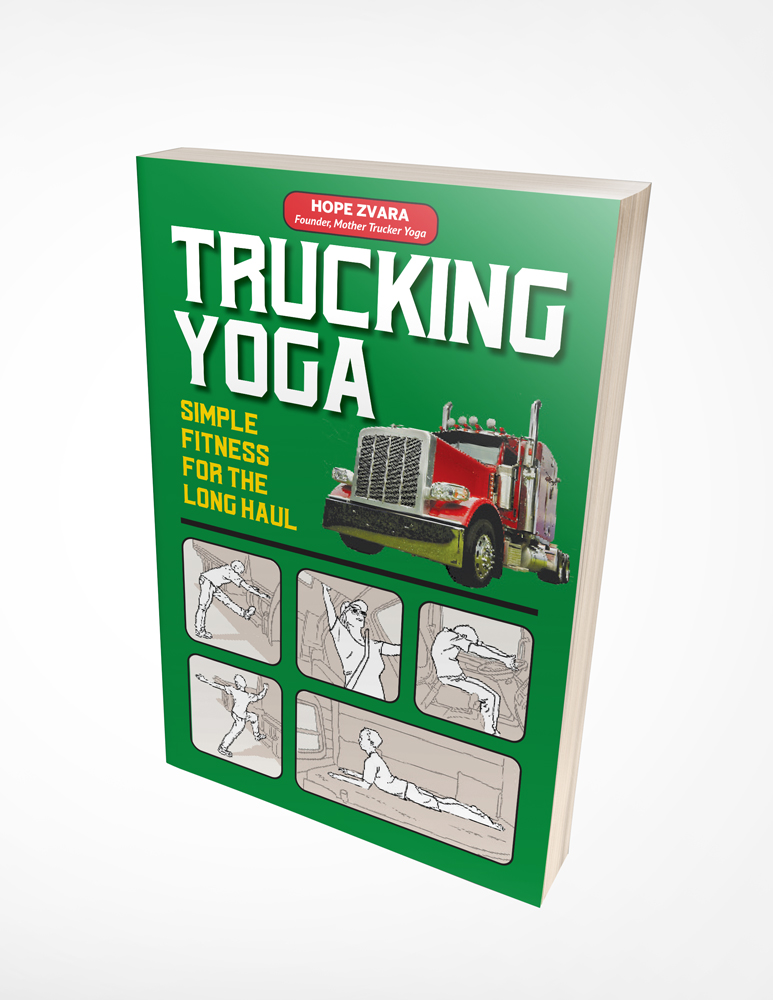
In Trucking Yoga Simple Fitness for the Long Haul, your 5-Point Posture Safety Check will walk you through exactly what you need to do to keep tabs on your driving posture day in and day out.

Book

The Health Benefits of Good Driver’s Seat Posture

Making these small adjustments can result in significant health benefits, including:

  1. Reduced Pain: Proper alignment decreases stress on your back, neck, and shoulders, alleviating chronic pain.
  2. Improved Circulation: Sitting with good posture helps maintain blood flow, reducing the risk of swelling and DVT.
  3. Enhanced Energy: Less strain on your muscles and joints means more energy to stay alert and focused on the road.
  4. Better Breathing: Sitting upright opens your chest and diaphragm, improving oxygen intake and reducing fatigue.

Tools to Help You Maintain Proper Posture

Investing in ergonomic tools can make it easier to maintain good posture while driving. Consider these options:

  1. Lumbar Support Cushions: These cushions provide critical support for your lower back. Our favorite is BackShield (Use our code MTY10 to get 10 percent of).
  2. Ergonomic Seat Covers: Designed to promote even weight distribution, these can enhance comfort during long drives.
  3. Adjustable Armrests: Properly positioned armrests reduce strain on your shoulders and arms.
  4. Posture Monitors: Wearable devices can gently remind you to sit upright when you start to slouch.

A Quick Posture Checklist for Truck Drivers

Before hitting the road, run through this checklist to ensure you’re sitting in the optimal position:

  1. Is your seat height adjusted so your hips are slightly higher than your knees?
  2. Are your shoulders relaxed, and is your back fully supported, honoring the “S” curve that is your spine?
  3. Can you reach the steering wheel without overextending your arms?
  4. Are your feet flat and comfortably positioned?
  5. Is your head aligned with your spine, avoiding a forward tilt?
  6. Are you feeling centered and not leaning to one side?

Final Thoughts

As a truck driver, taking care of your health starts with the basics—like improving your driver’s seat posture. Small changes can have a big impact, reducing pain, enhancing comfort, and supporting long-term well-being. Remember, your posture is not just about comfort; it’s an investment in your health and career.

Make it a priority to assess and adjust your posture regularly. Your body will thank you for it—mile after mile.

@MotherTruckerYoga/Blog

@MotherTruckerYoga/Facebook

The Health Benefits of Cinnamon: A Traveler’s Perfect Companion

, ,

The Health Benefits of Cinnamon and How to Travel with It

Cinnamon isn’t just a tasty spice—it’s also packed with health benefits that make it a perfect companion for truck drivers and travelers. Whether you’re looking to boost your metabolism, stabilize blood sugar, or add flavor without extra calories, cinnamon is easy to pack and use wherever your travels take you.

This blog will explore the health benefits of cinnamon, easy ways to incorporate it into meals, and potential precautions you should keep in mind.

1. The Health Benefits of Cinnamon

Cinnamon has been used for thousands of years for its medicinal properties. Research has revealed several key benefits that can help improve health, especially for people living an on-the-go lifestyle.

a) Regulates Blood Sugar

  1. Cinnamon can help lower blood sugar levels by improving insulin sensitivity.
  2. It slows the breakdown of carbs, which reduces blood sugar spikes after meals—a major benefit for truck drivers and travelers trying to manage energy levels.

b) Reduces Inflammation

  1. Chronic inflammation contributes to heart disease, arthritis, and other health problems. Cinnamon contains powerful antioxidants, such as polyphenols, which help reduce inflammation.

c) Supports Heart Health

  1. Studies show that cinnamon can help lower LDL (“bad”) cholesterol and triglycerides while increasing HDL (“good”) cholesterol, improving overall heart health.

d) Boosts Immunity

  1. The antimicrobial properties in cinnamon may help your body fight off infections—useful when traveling exposes you to various germs and environments.

e) Aids Digestion

  1. Cinnamon promotes healthy digestion by reducing bloating and gas, making it ideal for those dealing with travel-related stomach discomfort.

2. Why Cinnamon is Perfect for Travelers

One of the best things about cinnamon is how portable and versatile it is. You don’t need special storage or equipment to bring it along. Here’s why cinnamon works well for truckers and travelers:

  1. Lightweight & Compact: A small spice jar or travel-friendly packets of ground cinnamon can easily fit in your backpack, truck cab, or luggage.
  2. No Refrigeration Required: Cinnamon stays fresh for months at room temperature, making it ideal for long trips.
  3. Flavor without Calories: Add flavor to food and drinks without added sugar or unhealthy fats.

3. Simple Ways to Use Cinnamon on the Road

Cinnamon can enhance both savory and sweet foods. Here are some easy, travel-friendly ideas for incorporating cinnamon into your meals:

a) Add to Coffee or Tea

Sprinkle cinnamon into your coffee or tea for a flavorful twist. It’s a great alternative to sugary creamers.

b) Sprinkle on Oatmeal or Yogurt

Cinnamon pairs perfectly with oatmeal, yogurt, or fruit. Keep some instant oatmeal packets on hand for a quick breakfast.

c) Top Off Smoothies or Protein Shakes

Blend cinnamon into a smoothie or protein shake for added warmth and flavor.

d) Mix with Nuts and Trail Mix

Coat almonds or walnuts with a touch of cinnamon for a nutritious snack that’s easy to carry.

e) Use on Toast or Pancakes

If you’re eating toast, pancakes, or waffles, sprinkle cinnamon on top for a touch of sweetness without added sugar.

Tip: Keep a small shaker of cinnamon in your truck or travel bag for easy access to this healthy flavor booster.

4. Are There Any Cautions with Cinnamon?

While cinnamon has many health benefits, there are a few things to be mindful of:

a) Ceylon vs. Cassia Cinnamon

  1. Cassia cinnamon, the most common type found in grocery stores, contains higher levels of coumarin, which can be harmful if consumed in large quantities.
  2. Ceylon cinnamon, also known as “true cinnamon,” has lower levels of coumarin and is a better option for regular consumption.

b) Moderation is Key

  1. For most people, 1-2 teaspoons of cinnamon a day is safe. However, consuming large amounts of Cassia cinnamon regularly may affect liver health.

c) Medication Interactions

  1. Cinnamon can interact with blood-thinning medications and certain diabetes medications. If you are on medication, consult with your doctor before adding large amounts of cinnamon to your diet.

5. Quick Tips for Buying and Storing Cinnamon

  1. Choose Ceylon Cinnamon: Look for labels that specify “Ceylon” to ensure you’re getting the healthiest option.
  2. Store in an Airtight Container: Keep cinnamon in a sealed container to maintain freshness.
  3. Avoid Pre-Sweetened Products: Some cinnamon products contain added sugars—stick with pure ground cinnamon for the most health benefits.

Final Thoughts: Spice Up Your Health with Cinnamon

Cinnamon is a powerful, easy-to-use spice that fits perfectly into the lifestyle of truck drivers and travelers. From regulating blood sugar to boosting immunity, its health benefits are extensive. Plus, it’s lightweight, portable, and requires no special storage—making it a convenient companion for life on the road.

Whether you’re sprinkling it on oatmeal, stirring it into your coffee, or adding it to snacks, cinnamon is a simple way to enhance both the flavor and nutritional value of your meals. Just be mindful of which type you use and how much you consume to enjoy its benefits safely.

So next time you’re packing for a long haul or trip, throw a small container of cinnamon into your bag—you’ll be glad you did!

Healthy Soft and Chewy Chocolate Chip Cookies

,

Sometimes you just need a sweet treat. And when you are over the road there are a lot of sweet treats you can choose from the moment you step inside the truck stop. Healthy Soft and Chewy Chocolate Chip Cookies

The problem with the food selections at truckstops is that it is heavily processed, has a ton of sugar, and can be loaded with additives your body just doesn’t need.

To your surprise, I am not against a sweat-treat. And with a little preparation and gathering of healthy ingredients you can find yourself with some yummy treats to travel with (just don’t eat them all at once).

Healthy Soft and Chewy Chocolate Chip Cookies

Look no further than this very blog for the best healthy and yummy Chocolate Chip Cookie Recipe perfect for truck driver health-conscious people like yourself.

I get asked a lot about what type of sweets I like to eat. And I am a sucker for a good Chocolate Chip Cookie. I am not a baker, but I am willing to mix and match recipes to find one I like. And this one is a winner!

Now don’t be scared, baking with non-traditional ingredients is super easy and creates super yummy treats. It is important to follow the directions exactly to ensure your cookies turn out just right!

Ingredients:

  • ¼ cup melted coconut oil, plus extra to grease a cookie sheet
  • 3 cups oats (gluten-free if you need them like me)
  • 1 tsp baking powder (aluminum-free)
  • 1 tsp baking soda
  • ¼ tsp sea salt
  • 2 large ripe bananas
  • 2 to 3 Tbsp maple syrup
  • ¼ cup vegan mini chocolate chips (if you prefer dairy then not yourself out)

Chocolate Chip Cookies MTY

Directions for Chocolate Chip Cookies:

  1. Preheat oven to 350. Grease cookie sheet with little coconut oil or use parchment paper.
  2. Combine flour, oats (if whole oats you will need to grind oats into the coarse texture), baking powder, baking soda, and sea salt into a bowl.
  3. In a small bowl, mash bananas with a fork. Add melted coconut oil and maple syrup. Mix. Add banana mixture until combine. Fold in chocolate chips.
  4. Place by spoonful’s onto a baking sheet, 1 inch apart. Bake for 8 minutes, or until golden brown.
  5. Let cool for 5 minutes on a baking sheet.
  6. Store in fright or freeze.

101 calories / 3 G protein / 4 g fat / 14 g carbs (3 g sugar / 2 g fiber) / 91 mg sodium

The next time you are looking to fix a sweet craving before you head out on the road. Consider baking up a batch of these cookies. If you have a freezer on your truck, consider freezing some of them to help them last longer. Or share it with a friend!

Want more recipes from Mother Trucker Yoga?

The Best Granola Recipe for a Travel Breakfast 

Healthy Trucker Lunch

@MotherTruckerYoga/Blog

@MotherTruckerYoga/Facebook

You May Also Like

The Health Benefits of Cinnamon and How to Travel with It
Discover how cinnamon can naturally boost circulation, balance blood sugar, and make your travel days healthier with these simple tips.
👉 Read More
🔗 Learn more about cinnamon’s benefits from Medical News Today.


Reducing the Risk of Stroke for Truck Drivers
Learn the key lifestyle changes truck drivers can make to lower their stroke risk and stay safe behind the wheel.
👉 Read More
🔗 For more insights, check out CDC: Stroke Prevention.


The Remarkable Benefits of Beets for High Blood Pressure and Other Natural Remedies
Explore how beets can help lower blood pressure through their natural nitrates and antioxidant content, plus simple ways to include them in your diet.
👉 Read More
🔗 Also see “A New Way to ‘Beet’ High Blood Pressure?” from Harvard Health. Harvard Health


High Blood Pressure – Foods to Avoid for Better Health
Take control of your health on the road by knowing which foods worsen high blood pressure and what to eat instead.
👉 Read More
🔗 See additional guidance from the American Heart Association.