Truck Driver Workout Outside Your Truck: 5 Simple Moves to Stay Fit Anywhere

, , , ,

🚛 Truck Driver Workout: 5 Simple Moves You Can Do Outside Your Truck Anytime, Anywhere


🚦 Why Every Truck Driver Needs a Simple Workout Routine


Let’s be real for a second.


Life on the road is not set up for your health. Long hours behind the wheel, limited space, inconsistent schedules, and easy access to convenience foods all make it harder to take care of your body.


That’s exactly why having a truck driver workout that is simple, fast, and realistic is not just helpful… it is essential.


The biggest mistake drivers make is thinking they need more time, more equipment, or the perfect setup to get started. But after working with thousands of drivers through Mother Trucker Yoga, I can tell you this with confidence:


👉 The drivers who feel the best are not doing the most.

👉 They are just doing something consistently.


And often, that “something” is just a few minutes outside their truck.


You do not need a gym membership.

You do not need a 60-minute routine.

You do not need to overhaul your entire life.


You just need a plan you can actually follow.


🛠️ Your Built-In Gym: The Truck Step


One of the most overlooked tools in your daily routine is something you use every single day…


Your truck step.


It is sturdy.

It is accessible.

It is always with you.


And with just that one piece of equipment, you can create a full-body truck driver workout that builds strength, improves mobility, and helps reduce the aches and pains that come with long hours of sitting.


Below is a simple 5-move workout you can do anywhere. Whether you are at a truck stop, rest area, shipper, receiver, or parked for the night, this routine fits your life.


💪 5-Move Truck Driver Workout Outside Your Truck


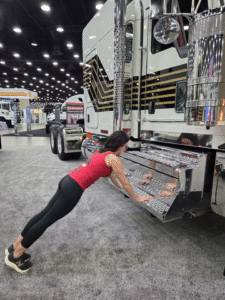
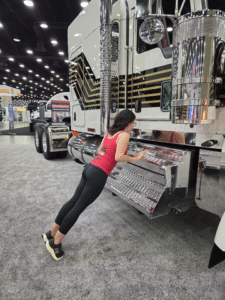
1. Push-Ups on the Truck Step
Why This Matters for Truck Drivers

Push-ups are one of the most effective upper body exercises you can do. They help strengthen your chest, shoulders, and arms while also engaging your core.


For drivers, this is especially important because sitting for long periods can weaken posture muscles and lead to rounded shoulders and upper back discomfort.

How to Do It

  1. Place your hands on the truck step
  2. Walk your feet back into a straight plank position
  3. Keep your body in one line from head to heels
  4. Lower your chest toward the step
  5. Push back up to the starting position

Pro Tip

The higher angle (using the step) makes this more accessible than floor push-ups. Focus on control, not speed.


2. Triceps Dips on the Truck Step

Why This Matters for Truck Drivers

The triceps (back of your arms) are often overlooked but play a big role in pushing movements, stability, and overall upper body strength.


Building strength here helps with daily tasks like climbing, pulling, and stabilizing your body as you move in and out of the truck.

How to Do It

  1. Sit on the edge of the truck step
  2. Place your hands next to your hips
  3. Slide your hips off the step
  4. Bend your elbows and lower your body
  5. Push back up to straight arms

Pro Tip

Keep your elbows pointing straight back rather than out to the sides to protect your shoulders.


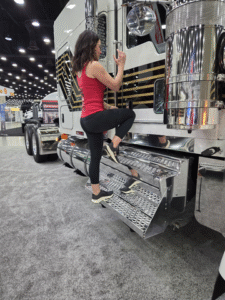
3. Cardio Step-Ups
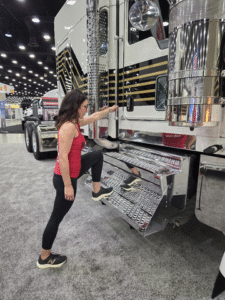
Why This Matters for Truck Drivers

After sitting for hours, your body needs circulation. Step-ups are a simple way to increase your heart rate, wake up your legs, and improve endurance.


This is where your truck driver workout becomes more than just strength. It becomes a way to boost energy and fight fatigue.

How to Do It

  1. Step one foot onto the truck step
  2. Bring the other foot up
  3. Step back down
  4. Alternate legs

Pro Tip

Speed it up for cardio or slow it down for strength. Either way, you are getting benefits.


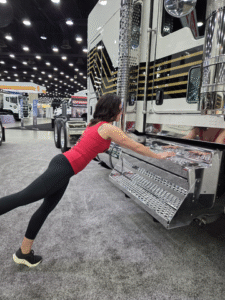
4. Plank Nose to Knee + Extend
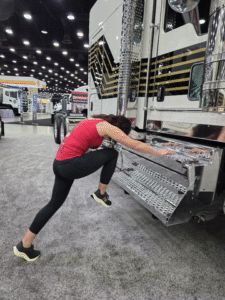
Why This Matters for Truck Drivers

Core strength is everything when it comes to protecting your back. And if you drive for a living, your back is already under constant stress.


This movement builds core stability while also improving coordination and control.

How to Do It

  1. Place hands on the truck step in a plank position
  2. Bring one knee toward your nose
  3. Extend that same leg back behind you
  4. Repeat on each side

Pro Tip

Do not rush. The slower you move, the more your core has to work.


5. Standing Side Bend
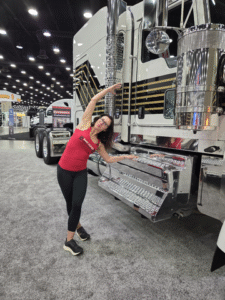
Why This Matters for Truck Drivers

Most drivers experience tightness in their hips, lower back, and sides due to prolonged sitting.


This simple stretch helps open up your side body, improve flexibility, and relieve tension.

How to Do It

  1. Stand tall
  2. Reach one arm overhead
  3. Gently bend to the opposite side
  4. Hold for a few breaths
  5. Switch sides

Pro Tip

Focus on breathing deeply into the stretch. This is not about forcing range. It is about creating space.


🔁 How to Structure Your Truck Driver Workout


You do not need to overcomplicate this.


Here is a simple structure:


  1. Perform each exercise for 8 to 12 repetitions
  2. Complete 2 to 3 rounds
  3. Total time: 5 to 10 minutes


That is it.


This is a truck driver workout designed for real life, not perfection.


🚛 Why This Works (Even If It Seems Simple)


Many people underestimate short workouts. But consistency beats intensity every time.


Doing this routine a few times a week can help:


✔ Reduce stiffness and soreness

✔ Improve strength and mobility

✔ Increase energy levels

✔ Support better posture

✔ Help prevent long-term injury


The goal is not to crush yourself with workouts.

The goal is to build a habit you can sustain.


🧠 The Mindset Shift That Changes Everything


Here is something I want you to think about…


What if the reason you have not started is because you are waiting for the “perfect time”?


The perfect time does not exist in trucking.


But small opportunities?

Those are everywhere.


Outside your truck.

At a fuel stop.

While waiting to be loaded.


That is where change happens.


🔥 Every Movement Matters


At Mother Trucker Yoga, this is what we believe:


Every movement matters. Every movement counts.


It is not about doing everything.

It is about doing something.


Because those small moments of movement add up.


They help you:

👉 Stay in the game longer

👉 Feel better day to day

👉 Take control of your health


🚀 Final Thought


You already have everything you need to start.


Your truck.

Your step.

Your body.


The only thing left is the decision to move.


So next time you step out of your truck…


👉 Try one move

👉 Then another

👉 Then maybe the whole circuit


Because what if…


This simple truck driver workout is the one thing that changes everything for you?

Download the simple truck driver workout PDF file here


You May Also Like

1️⃣ Want More Simple Movements You Can Do in the Truck?

Read: 5 Reasons You Should Take Regular Driving Breaks & Move More!

External resource: https://www.cdc.gov/physicalactivity/basics/index.htm

2️⃣ Struggling With Low Back Pain on Long Hauls?

Read: Improved Posture: A Truck Driver’s Secret Weapon Against Back Pain

External resource: https://www.spine-health.com/wellness/ergonomics

3️⃣ Want to Sleep Better on the Road?

Read: Sleep Well Drive Well: A Trucker’s Guide to Better Sleep on the Road

External resource: https://www.sleepfoundation.org

4️⃣ Need Hydration Help?

Read: Hydration Hacks for Drivers: Stay Energized This Summer

External resource: https://www.mayoclinic.org/healthy-lifestyle

 

Goal Setting for Truck Drivers: Use the Five Whys to Build Health, Wellness, and Lasting Success

, , ,

Goal Setting for Truck Drivers: Use the Five Whys Before You Start Any Health and Wellness Journey

Goal Setting for Truck Drivers Starts Before the Journey Begins

Every successful route starts with a plan. The same is true for your health, wellness, mindset, and personal success. Goal setting for truck drivers is not just about saying you want to lose weight, have more energy, reduce stress, or feel better on the road. It starts by understanding why the goal matters in the first place.

Too many drivers jump into a new routine, diet, workout plan, or motivation challenge without clarity. That often leads to overwhelm, confusion, burnout, and quitting too soon. Before you begin any journey toward better health and wellness, you need direction, purpose, and a strategy that fits the trucking lifestyle.

That is where the Five Whys method becomes powerful.

Why Goal Setting Is Important for Truck Drivers

Truck driving is demanding. Long hours, irregular schedules, sitting for extended periods, limited food options, stress, fatigue, and time away from home can all impact your physical and mental health.

Without clear goals, it is easy to:

– Drift into unhealthy habits
– Feel overwhelmed by too much advice
– Start and stop multiple plans
– Lose motivation quickly
– Struggle with consistency
– Put everyone else first and yourself last

Strong goal setting habits for truckers create structure, focus, and momentum.

When you know exactly what you are working toward and why it matters, daily decisions become easier.

Use the Five Whys Before Setting Any Goal

The Five Whys technique is a simple but powerful method used to uncover the real reason behind a goal. Instead of stopping at surface-level motivation, you keep asking “why?” until you reach the deeper truth.

This helps truck drivers create meaningful goals that last longer than temporary motivation.

Example: “I Want to Lose Weight”

Why #1:

Because I want to lose 30 pounds.

Why #2:

Because I feel tired and uncomfortable driving.

Why #3:

Because low energy makes work harder and affects my mood.

Why #4:

Because I want to feel better, think clearly, and enjoy life more.

Why #5:

Because I want to be healthy enough to enjoy time with my family and build a better future.

Now the real goal is clear.

It is not just weight loss. It is about energy, confidence, family, longevity, and quality of life.

That kind of goal creates real commitment.

Why the Five Whys Works for Truck Drivers

For truckers, life on the road can make it easy to chase quick fixes. But quick fixes rarely last. The Five Whys method helps you slow down and build a foundation.

Benefits of Using the Five Whys:

– Creates emotional motivation
– Reduces confusion
– Helps prioritize what matters most
– Prevents chasing too many goals at once
– Builds long-term discipline
– Makes setbacks easier to overcome
– Keeps you focused during hard days

When your reason is strong, your actions become stronger.

Goal Setting Tips for Truck Drivers After Using the Five Whys

Once you know your deeper reason, build your plan using simple steps.

1. Focus on One or Two Goals at a Time

Trying to improve everything at once creates overwhelm. Pick one or two priorities.

Examples:

– Improve sleep
– Walk daily
– Eat better on the road
– Reduce stress
– Drink more water

Less clutter. More progress.

2. Build Systems, Not Just Outcomes

Do not just set outcome goals like “lose weight.” Create systems that make success easier.

Examples:

– Keep healthy snacks in the cab
– Walk for 10 minutes at fuel stops
– Stretch after pre-trip inspection
– Refill water bottle every stop
– Shut screens off before sleep

Daily systems create lasting results.

3. Start Small and Stay Consistent

Truck drivers do not need perfect plans. They need repeatable habits.

Try:

– 5-minute walk
– 10 bodyweight squats
– Swap one soda for water
– One healthier meal each day
– Two minutes of breathing before bed

Small actions done consistently outperform extreme plans.

4. Track the Right Wins

Do not only track the scale. Measure progress that matters.

Track:

– Energy levels
– Mood
– Better sleep nights
– Steps completed
– Water intake
– Fast food meals reduced
– Stress levels

Progress is bigger than body weight.

5. Do a Weekly Reset

Once a week ask:

– What worked?
– What did not work?
– What is my focus next week?

This keeps your goals simple, clear, and manageable.

How Goal Setting Helps Reduce Overwhelm for Truck Drivers

Many drivers feel stuck because they consume too much information and take too little action.

They try:

– New diets
– Random workouts
– Productivity hacks
– Motivation videos
– Supplements
– Extreme challenges

The result is confusion.

The answer is not more information. The answer is clarity.

When you use the Five Whys and choose one focused goal, overwhelm decreases because you know exactly what to do next.

Sample Goal Setting Plan for Truck Drivers

Goal:

Improve health and energy.

Five Whys Core Reason:

I want to feel strong, stay healthy, and enjoy more years with my family.

This Week’s Action Steps:

– Walk 10 minutes daily
– Drink more water
– Pack one healthy snack each shift
– Stretch before bed
– Sleep earlier when possible

Weekly Review:

Adjust and continue.

Final Thoughts: Set Your Direction Before You Drive

No professional driver starts a trip without knowing the route. Your health and wellness journey should be no different.

Before you chase any goal, stop and ask why it matters. Use the Five Whys method to uncover your real motivation. Then simplify your plan, focus on small habits, and stay consistent.

The strongest goals are not built on pressure. They are built on purpose.

If you are a truck driver ready for change, do not just start moving. Start with direction.

You May Also Like

The Health Benefits of Cinnamon and How to Travel with It
Discover how cinnamon can naturally boost circulation, balance blood sugar, and make your travel days healthier with these simple tips.
👉 Read More
🔗 Learn more about cinnamon’s benefits from Medical News Today.


Reducing the Risk of Stroke for Truck Drivers
Learn the key lifestyle changes truck drivers can make to lower their stroke risk and stay safe behind the wheel.
👉 Read More
🔗 For more insights, check out CDC: Stroke Prevention.


The Remarkable Benefits of Beets for High Blood Pressure and Other Natural Remedies
Explore how beets can help lower blood pressure through their natural nitrates and antioxidant content, plus simple ways to include them in your diet.
👉 Read More
🔗 Also see “A New Way to ‘Beet’ High Blood Pressure?” from Harvard Health. Harvard Health


High Blood Pressure – Foods to Avoid for Better Health
Take control of your health on the road by knowing which foods worsen high blood pressure and what to eat instead.
👉 Read More
🔗 See additional guidance from the American Heart Association.

Why Wearable Fitness Trackers Are Essential for Trucker Wellness and Health

, ,

Why Tracking Your Health Matters More Than Ever 

For truck drivers, staying healthy on the road isn’t just a goal—it’s a challenge.

Long hours behind the wheel, limited access to fresh food, irregular sleep schedules, and minimal movement all create conditions that can slowly impact physical and mental well-being.

Most drivers don’t realize how these small daily patterns add up over time.

That’s where wearable fitness trackers for truckers come in.

These devices provide real-time data that helps you understand your body, make better decisions, and build healthier habits—without needing to completely overhaul your lifestyle.

Because what gets measured… gets improved.

The Reality of Life on the Road

Truck driving is a unique lifestyle.

Unlike traditional jobs, drivers don’t have:

  1. A fixed daily routine
  2. Consistent access to gyms
  3. Structured break schedules
  4. Controlled environments for sleep

Instead, drivers are constantly adapting.

This unpredictability makes it harder to:

  1. Stay active
  2. Maintain consistent sleep
  3. Monitor health habits

Wearable fitness trackers help bridge that gap by giving you visibility into what’s actually happening with your body throughout the day.

What Are Wearable Fitness Trackers?

Wearable fitness trackers are devices—usually worn on the wrist—that monitor key health metrics such as:

  1. Steps taken
  2. Heart rate
  3. Sleep duration and quality
  4. Calories burned
  5. Activity levels throughout the day

Some advanced trackers also monitor:

  1. Stress levels
  2. Blood oxygen levels
  3. Recovery metrics

For truckers, these insights are especially valuable because they provide a clear picture of habits that are otherwise hard to track on the road.

The Key Benefits of Wearable Fitness Trackers for Truckers

Wearable fitness trackers aren’t just gadgets—they’re tools for awareness and behavior change.

Here’s how they support driver wellness:

1. Encouraging More Movement Throughout the Day

One of the biggest challenges for truckers is prolonged sitting.

Sitting for extended periods can lead to:

  1. Reduced circulation
  2. Muscle stiffness
  3. Increased risk of chronic pain

Wearable trackers help by:

  1. Setting daily step goals
  2. Sending reminders to move
  3. Highlighting periods of inactivity

Even small increases in movement—like short walks during breaks or light stretching—can significantly improve circulation and reduce stiffness over time.

2. Improving Sleep Awareness and Quality

Sleep is one of the most critical factors in driver health and safety.

Wearable trackers provide insights into:

  1. Total sleep duration
  2. Sleep stages (light, deep, REM)
  3. Sleep consistency

Many drivers underestimate how much their sleep patterns affect their energy and focus.

By tracking sleep, drivers can begin to:

  1. Identify poor sleep habits
  2. Adjust rest schedules
  3. Improve recovery between shifts

Better sleep leads to better alertness, decision-making, and overall performance on the road.

3. Monitoring Heart Rate and Stress Levels

Stress is a common but often overlooked factor in trucking.

Wearable fitness trackers monitor heart rate throughout the day, which can indicate:

  1. Physical exertion
  2. Stress responses
  3. Recovery levels

Some devices also estimate stress levels based on heart rate variability.

This allows drivers to:

  1. Recognize when they’re overstressed
  2. Take breaks when needed
  3. Use breathing or relaxation techniques to reset

Over time, this awareness helps drivers manage stress more effectively.

4. Building Consistent Health Habits

Consistency is the foundation of wellness.

Wearable trackers help create consistency by:

  1. Setting daily goals
  2. Providing reminders
  3. Offering feedback on progress

Instead of guessing whether you’re staying active or resting enough, you have real data guiding your habits.

This removes ambiguity and makes it easier to stay on track—even with a busy schedule.

How to Use a Wearable Tracker Effectively on the Road

Owning a wearable tracker is one thing. Using it effectively is another.

Here are practical ways truckers can get the most out of these devices:

Start with Simple Goals

Don’t overwhelm yourself with too many metrics.

Focus on:

  1. Daily step count
  2. Sleep duration
  3. Basic activity tracking

As you get comfortable, you can explore more advanced features.

Use It as a Reminder, Not a Rulebook

Wearable trackers are guides—not strict systems you must follow perfectly.

Use them to:

  1. Increase awareness
  2. Encourage movement
  3. Improve habits gradually

The goal is progress, not perfection.

Pair It with Small Daily Actions

Tracking alone doesn’t create change—action does.

Combine your tracker with simple habits like:

  1. Taking short walking breaks
  2. Stretching during stops
  3. Drinking more water
  4. Practicing breathwork to reduce stress

These small actions, repeated consistently, lead to meaningful results.

Common Mistakes to Avoid

While wearable trackers are powerful tools, there are a few common pitfalls to avoid:

Obsessing Over Data

Too much focus on numbers can lead to stress.

Use data as a guide, not something to fixate on.

Ignoring Consistency

Wearing the device occasionally won’t provide useful insights.

Consistency in tracking leads to better patterns and better decisions.

Expecting Immediate Results

Wearables support long-term behavior change.

Results come from sustained habits—not quick fixes.

Why Wearable Fitness Trackers Matter for Trucking Companies

This technology isn’t just beneficial for individual drivers—it also has value at the organizational level.

For fleets and companies, wearable fitness trackers can:

  1. Support driver wellness programs
  2. Encourage healthier lifestyles
  3. Reduce fatigue-related risks
  4. Improve overall productivity

Healthier drivers are more focused, more energized, and less likely to experience burnout or injury.

The Bigger Picture: Awareness Leads to Change

The most powerful benefit of wearable fitness trackers isn’t the data itself—it’s awareness.

When drivers can see:

  1. How much they’re moving
  2. How well they’re sleeping
  3. How their body responds to stress

They begin to make more informed decisions.

And over time, those decisions lead to:

  1. Better energy levels
  2. Improved physical health
  3. Increased confidence in daily routines

Final Thoughts

Wearable fitness trackers for truckers are more than just technology—they’re a tool for transformation.

They help bridge the gap between awareness and action, making it easier to stay consistent with health on the road.

You don’t need a perfect routine to be healthy.

You need visibility, consistency, and small daily improvements.

And with the right wearable, you have all three right on your wrist.

You May Also Like

1️⃣ Want More Simple Movements You Can Do in the Truck?

Read: 5 Reasons You Should Take Regular Driving Breaks & Move More!

External resource: https://www.cdc.gov/physicalactivity/basics/index.htm

2️⃣ Struggling With Low Back Pain on Long Hauls?

Read: Improved Posture: A Truck Driver’s Secret Weapon Against Back Pain

External resource: https://www.spine-health.com/wellness/ergonomics

3️⃣ Want to Sleep Better on the Road?

Read: Sleep Well Drive Well: A Trucker’s Guide to Better Sleep on the Road

External resource: https://www.sleepfoundation.org

4️⃣ Need Hydration Help?

Read: Hydration Hacks for Drivers: Stay Energized This Summer

External resource: https://www.mayoclinic.org/healthy-lifestyle

Best Trucker Wellness Apps to Stay Healthy on the Road

, ,

Why Trucker Wellness Needs Technology

Life on the road doesn’t come with structure.

There’s no set gym time.

No consistent meal schedule.

And definitely no predictable sleep routine.

That’s why so many drivers struggle with:

  1. Fatigue
  2. Stiffness and pain
  3. Poor nutrition
  4. Stress and burnout

But here’s the good news—technology is changing that.

Trucker wellness apps are making it easier than ever to stay healthy, even in a truck cab, at a rest stop, or during a 10-minute break.

This isn’t about perfection.

It’s about support.

The Rise of Wellness Tech for Drivers

Drivers today have access to tools that didn’t exist even a few years ago:

  1. Mobile fitness programs
  2. Guided breathwork and stress apps
  3. Hydration reminders
  4. Sleep trackers

These tools help you stay consistent—without needing a gym or strict routine.

And consistency is what creates real results.

What to Look for in a Trucker Wellness App

Not all apps are created equal.

For drivers, the best apps are:

  1. Simple and easy to use
  2. Low data usage
  3. Quick-session friendly (5–15 minutes)
  4. Offline-capable when possible

You need tools that work with your lifestyle—not against it.

Top Types of Trucker Wellness Apps

Let’s break down the most effective categories.

1. Fitness and Mobility Apps

Sitting for long hours creates tight hips, back pain, and poor circulation.

Fitness apps designed for short workouts help you:

  1. Stretch between loads
  2. Improve mobility
  3. Reduce stiffness

Even 5–10 minutes a day makes a difference.

2. Breathwork and Stress Relief Apps

Driving long hours, traffic, deadlines—it adds up.

Breathwork apps guide you through:

  1. Deep breathing exercises
  2. Stress reduction techniques
  3. Focus and relaxation practices

Perfect for breaks, before sleep, or after a stressful drive.

3. Sleep Tracking Apps

Sleep is one of the biggest challenges for drivers.

Sleep apps help you:

  1. Track sleep quality
  2. Improve sleep habits
  3. Create better rest routines

Better sleep = better focus, safety, and energy.

4. Hydration and Nutrition Apps

Dehydration is more common than you think on the road.

These apps remind you to:

  1. Drink water regularly
  2. Track meals
  3. Make healthier food choices

Small changes here can drastically improve energy levels.

How to Use Apps Without Overcomplicating Your Day

The goal isn’t to download 10 apps and feel overwhelmed.

Start with 1–2 tools:

  1. One for movement
  2. One for stress or hydration

Use them daily—even for just a few minutes.

That’s where the real benefit comes in.

The Reality: Tech Supports, But You Still Show Up

Apps don’t do the work for you.

They remind you.

They guide you.

They support you.

But you still have to:

  1. Take the stretch break
  2. Do the breathing exercise
  3. Drink the water

The difference? You’re no longer doing it alone.

Why This Matters for Drivers and Companies

For individual drivers:

  1. Better energy
  2. Less pain
  3. Improved focus

For fleets and companies:

  1. Reduced injuries
  2. Increased productivity
  3. Better driver retention

Wellness isn’t just personal—it’s professional.

Final Thoughts

You don’t need a gym.

You don’t need hours of free time.

You need the right tools—and the willingness to use them.

Trucker wellness apps are one of the simplest ways to stay consistent, no matter where the road takes you.

Start small. Stay consistent. Stay moving.

You May Also Like

1️⃣ Want More Simple Movements You Can Do in the Truck?

Read: 5 Reasons You Should Take Regular Driving Breaks & Move More!

External resource: https://www.cdc.gov/physicalactivity/basics/index.htm

2️⃣ Struggling With Low Back Pain on Long Hauls?

Read: Improved Posture: A Truck Driver’s Secret Weapon Against Back Pain

External resource: https://www.spine-health.com/wellness/ergonomics

3️⃣ Want to Sleep Better on the Road?

Read: Sleep Well Drive Well: A Trucker’s Guide to Better Sleep on the Road

External resource: https://www.sleepfoundation.org

4️⃣ Need Hydration Help?

Read: Hydration Hacks for Drivers: Stay Energized This Summer

External resource: https://www.mayoclinic.org/healthy-lifestyle

Magnesium for Truck Drivers Why Multi Form Magnesium Is Ideal for Stress Sleep and Muscle Recovery on the Road

, ,

Magnesium for Truck Drivers Why Multi Form Magnesium Is Ideal for Stress Sleep and Muscle Recovery on the Road

Truck drivers ask a lot of their bodies. Long hours sitting irregular sleep stress tight schedules and limited recovery all add up. Over time that strain shows up as tight muscles poor sleep elevated blood pressure fatigue and difficulty managing stress.

One nutrient that is often overlooked but deeply connected to all of these issues is magnesium.

Magnesium plays a role in over three hundred biochemical processes in the body. It directly impacts muscle relaxation nervous system balance heart rhythm blood pressure and sleep quality. For truck drivers magnesium is not optional support. It is foundational support.

Why Truck Drivers Are Commonly Low in Magnesium

Magnesium deficiency is more common than most people realize. Several factors increase the risk for drivers.

  1. High stress depletes magnesium
  2. Caffeine increases magnesium loss
  3. Processed foods are low in magnesium
  4. Sweating and dehydration reduce levels
  5. Poor sleep increases demand
  6. When stress is chronic, cortisol remains elevated. Magnesium is used to regulate the nervous system and calm stress signaling. Without enough magnesium, the body stays in a heightened stress state.

Common Signs of Low Magnesium in Drivers

  1. Muscle tightness and cramps
  2. Leg cramps at night
  3. Poor sleep
  4. Restlessness
  5. Irritability
  6. High blood pressure
  7. Fatigue
  8. Eye twitches
  9. Headaches

Many drivers assume these symptoms are just part of aging or the job. Often magnesium deficiency is contributing.

Magnesium and Muscle Recovery

Long periods of sitting shorten hip flexors tighten hamstrings compress the lower back and reduce circulation. Magnesium helps muscles contract and relax properly.

Without adequate magnesium muscles stay tense longer and recover slower. This is why cramps stiffness and soreness are common complaints in trucking.

  1. Magnesium supports
  2. Muscle relaxation
  3. Reduced cramping
  4. Improved recovery
  5. Better mobility
  6. Reduced tension headaches
  7. Magnesium and Sleep
  8. Sleep is one of the most important regulators of heart health blood pressure and cortisol. Magnesium supports the parasympathetic nervous system which allows the body to shift out of stress mode and into recovery mode.
  9. Magnesium helps
  10. Calm the nervous system
  11. Support melatonin production
  12. Reduce nighttime muscle tension
  13. Improve sleep depth

Drivers often feel tired but wired. That is a nervous system issue. Magnesium helps restore balance.

Magnesium and Heart Health

Magnesium directly influences blood vessel relaxation and heart rhythm. Low magnesium levels are associated with high blood pressure arrhythmias and increased cardiovascular risk.

For truck drivers already at higher risk due to long sitting hours stress and irregular meals magnesium plays a protective role.

  1. Magnesium supports
  2. Healthy blood pressure
  3. Improved circulation
  4. Reduced inflammation
  5. Stable heart rhythm

Why Multi Form Magnesium Is Ideal

Not all magnesium supplements are the same. Different forms of magnesium serve different functions in the body.

A multi form magnesium supplement combines several types to support multiple systems at once.

For example

  1. Magnesium glycinate supports relaxation and sleep
  2. Magnesium citrate supports digestion and absorption
  3. Magnesium malate supports energy production
  4. Magnesium taurate supports heart health
  5. Magnesium threonate supports brain function

A single form magnesium may target one area. A multi form magnesium provides broader systemic support which is ideal for drivers dealing with stress muscle tightness sleep issues and cardiovascular strain simultaneously.

Because trucking impacts multiple systems at once nervous system muscular system cardiovascular system a multi form magnesium approach makes practical sense.

How Drivers Can Use Magnesium

Magnesium is typically taken in the evening to support relaxation and sleep.

Hydration is important when supplementing.

Consistency matters more than high doses.

Pairing magnesium with movement and improved sleep habits enhances results.

Always consult a healthcare provider especially if taking blood pressure medication or other prescriptions.

The Bigger Picture

Magnesium is not a cure all. It is a foundational mineral that supports systems already under stress in the trucking lifestyle.

When stress remains high sleep remains inconsistent and movement remains limited magnesium demand increases. Supporting the body nutritionally makes everything else work better.

Truck drivers depend on endurance focus and long term health to sustain a career. Supporting recovery is not weakness. It is maintenance.

Small daily decisions compound.

Magnesium is one of the simplest starting points.

You May Also Like

Stay Active and Thrive on the Road: Tips for Truck Drivers During the Holidays

Learn simple movement strategies to protect your body and heart on the road.

🔗https://www.mothertruckeryoga.com/2024/12/08/stay-active-and-thrive-on-the-road-tips-for-truck-drivers-during-the-holidays/

🌐 https://www.cdc.gov/physicalactivity

Stressed Out on the Road? Here’s How Yoga Helps Truck Drivers Stay Calm 

Discover practical stress-management tools designed for truck drivers.

🔗 https://www.mothertruckeryoga.com/2025/08/20/stress-relief-for-truck-drivers/

🌐 https://www.heart.org/en/healthy-living/healthy-lifestyle/stress-management

Improved Posture: A Truck Driver’s Secret Weapon Against Back Pain

See how mobility and posture support circulation and heart health.

🔗https://www.mothertruckeryoga.com/2024/02/20/trucker-improved-posture-secret-weapon-secret-weapon-against-back-pain/

🌐 https://www.mayoclinic.org/healthy-lifestyle

Summer Fitness on the Road: 5 Quick Routines for Hot Days

Explore quick routines that support circulation and cardiovascular health.

🔗https://www.mothertruckeryoga.com/2025/07/23/summer-fitness-on-the-road-5-quick-routines-for-hot-days/

🌐 https://www.nhlbi.nih.gov/science/heart-and-vascular-diseases

Heart Health for Truckers: Preventing Heart Disease on the Road

, , ,

Heart disease is the number one killer in the U.S., and truck drivers face higher risks than most professions. Long hours behind the wheel, irregular schedules, high stress, and limited access to healthy food make preventing heart disease for truckers a top priority. The good news? With intentional habits, heart health is achievable – even on the road.

Truckers often put the business first and their own health second. But every mile driven with a strong heart is safer, more productive, and more sustainable.

Understanding Your Risk Factors

Not all heart disease risk factors are avoidable, but many are lifestyle-related and can be managed:

  1. Sedentary Behavior

    Sitting 10–12+ hours a day slows circulation and increases blood pressure.

  2. Poor Nutrition

    Fast food, processed snacks, and high-sodium meals strain the heart over time.

  3. Stress and Fatigue

    Time pressure, traffic, and isolation trigger chronic stress responses.

  4. Sleep Disruption

    Irregular sleep schedules reduce recovery time for the cardiovascular system.

  5. Smoking and Alcohol

    Tobacco use and excessive drinking significantly increase risk.

Recognizing these factors is the first step in protecting your heart.

The Importance of Blood Pressure and Cholesterol

High blood pressure and cholesterol are silent but dangerous. Regular monitoring is essential, even on the road.

  1. Blood pressure: Ideally below 120/80 mmHg
  2. Cholesterol: LDL (“bad”) should be low, HDL (“good”) higher

Many truck stops now offer basic screenings – and portable home monitors make self-checks easier than ever.

Movement Strategies to Protect Your Heart

Your heart thrives on activity – even small doses throughout the day help.

Quick on-the-road exercises:

  1. 5–10 minutes of walking around the truck or rest area
  2. Standing calf raises to improve circulation
  3. Shoulder rolls and gentle torso twists for mobility
  4. Short yoga flows or stretches for the chest and back

Consistency matters more than intensity. Even a few minutes every 2–3 hours can lower blood pressure and improve cardiovascular health.

Breathing for Heart Health

Controlled breathing reduces stress, lowers blood pressure, and supports circulation. Try this simple technique at a stop:

  1. Inhale deeply for 4 counts
  2. Hold for 2 counts
  3. Exhale slowly for 6 counts
  4. Repeat 5–10 times

Doing this twice a day keeps the nervous system regulated and supports heart function.

Nutrition Tips While on the Road

Healthy eating doesn’t require a full kitchen – it’s about making strategic choices.

Truck-friendly heart-supportive habits:

  1. Stock fruits, nuts, and protein bars for snacks
  2. Opt for grilled proteins and vegetables at diners
  3. Drink water consistently – dehydration affects heart rate and blood pressure
  4. Reduce sodium-heavy foods like chips, fast-food fries, and canned soups
  5. Limit sugary beverages and energy drinks

Even replacing one high-sodium meal per day with a better choice makes a measurable difference over time.

Stress Management for Heart Protection

Chronic stress directly impacts cardiovascular health by raising cortisol and blood pressure. For truckers, stress can come from deadlines, traffic, or isolation.

Practical stress-reducing techniques:

  1. Mindful breathing exercises
  2. Journaling or note-taking to track wins and frustrations
  3. Listening to calming music or podcasts
  4. Short walks at truck stops
  5. Brief meditation sessions before sleep

These small practices add up to lower overall heart strain.

Sleep as a Heart-Saving Tool

Sleep quality is one of the most underestimated factors in preventing heart disease for truckers. When sleep is disrupted:

  1. Blood pressure rises
  2. Heart rhythm can be affected
  3. Inflammation increases

Tips for better sleep on the road:

  1. Use blackout curtains or sleep masks
  2. Limit caffeine 4–6 hours before sleeping
  3. Create a pre-sleep routine (stretching, breathing, or quiet reflection)
  4. Keep the sleeper cab cool and ventilated

Even one extra hour of quality sleep can significantly benefit cardiovascular health.

Hydration and Heart Function

Dehydration thickens blood, increases heart workload, and reduces energy. Many drivers rely on coffee but neglect water.

  1. Aim for 64 oz of water per day (adjust for climate and activity)
  2. Keep a refillable water bottle in the cab
  3. Limit caffeinated drinks to 1–2 per shift

Hydration supports blood pressure regulation and reduces cardiovascular strain.

Check-Ups and Medical Monitoring

Preventing heart disease also requires professional oversight:

  1. Schedule annual physicals and cardiac screenings
  2. Track blood pressure and cholesterol regularly
  3. Discuss any family history of heart disease with a healthcare provider

Early detection of risk factors is key – the road doesn’t stop for heart disease, but your preparation can.

Putting It All Together: A Realistic Roadmap

Preventing heart disease for truckers doesn’t have to be overwhelming. Focus on small, repeatable habits:

  1. Movement: Stand, stretch, walk every 2–3 hours
  2. Nutrition: Swap one processed meal per day for a heart-healthy option
  3. Stress Management: 5 minutes of breathing or meditation at breaks
  4. Sleep: Prioritize consistent, restful sleep
  5. Hydration: Carry water and sip throughout the day
  6. Monitoring: Track blood pressure, cholesterol, and medical checkups

Consistency beats perfection. Each small choice compounds into stronger heart health over time.

You May Also Like

Stay Active and Thrive on the Road: Tips for Truck Drivers During the HolidaysLearn simple movement strategies to protect your body and heart on the road.🔗https://www.mothertruckeryoga.com/2024/12/08/stay-active-and-thrive-on-the-road-tips-for-truck-drivers-during-the-holidays/🌐 https://www.cdc.gov/physicalactivity

Stressed Out on the Road? Here’s How Yoga Helps Truck Drivers Stay CalmDiscover practical stress-management tools designed for truck drivers.🔗 https://www.mothertruckeryoga.com/2025/08/20/stress-relief-for-truck-drivers/🌐 https://www.heart.org/en/healthy-living/healthy-lifestyle/stress-management

Heart Health for Truck Drivers: 3 Simple Ways to Protect Your Heart on the Road

, ,

Heart Health for Truck Drivers: 3 Simple Ways to Protect Your Heart on the Road

February is Heart Health Awareness Month, and there’s no better time to talk about something that impacts every mile you drive and every year you want to stay healthy on the road.

Heart health for truck drivers is often overlooked—not because drivers don’t care, but because the industry demands long hours, high stress, irregular schedules, and limited access to healthy options. Over time, these challenges quietly add up.

The truth is:

You don’t need extreme diets, intense workouts, or massive lifestyle overhauls to support your heart.

You need simple, repeatable strategies that work where you are.

Let’s break down three realistic ways to support your heart through nutrition, stress relief, and fitness—Mother Trucker Yoga style.

Why Heart Health Matters for Truck Drivers

Heart disease remains the leading cause of death for both men and women in the United States. According to the CDC, trucking professionals face higher-than-average risk due to:

  1. Prolonged sitting
  2. Chronic stress
  3. Irregular sleep patterns
  4. Limited daily movement
  5. Poor access to nutrient-dense food

👉 Source: Centers for Disease Control and Prevention

https://www.cdc.gov/heartdisease

The good news?

Even small daily changes can significantly reduce risk over time.

That’s exactly where heart health for truck drivers becomes manageable—and sustainable.

1. Nutrition: Add More In, Don’t Cut Everything Out

One of the biggest mistakes drivers make with nutrition is thinking they need to cut everything out to be healthy.

That mindset leads to burnout fast.

Instead, focus on adding heart-supportive foods consistently.

Simple Nutrition Shifts That Support Heart Health

  1. Add one fruit or vegetable to one meal per day
  2. Choose fiber-rich foods (beans, oats, whole grains)
  3. Increase hydration—even mild dehydration impacts heart function

Fiber helps lower cholesterol and regulate blood sugar, both key to heart health.

The American Heart Association recommends at least 25–30 grams of fiber per day, yet most adults get less than half of that.

👉 Source: American Heart Association

https://www.heart.org

Mother Trucker Tip:

You don’t need “perfect” meals—just better ones more often.

🔗 Internal Link:

👉 Simple Nutrition Strategies for Drivers

https://mothertruckeryoga.com/nutrition-for-truck-drivers

2. Stress Relief: Calm the Nervous System to Protect the Heart

Here’s something many drivers don’t realize:

If your nervous system is stuck in fight-or-flight, your heart is under constant strain—even if you’re eating well and moving more.

Chronic stress contributes to:

  1. High blood pressure
  2. Inflammation
  3. Increased heart disease risk

And most drivers don’t even recognize how stressed they are because stress has become “normal.”

A 2-Minute Stress Reset You Can Do Anywhere

Try this breathing pattern:

  1. Inhale through the nose for 4 seconds
  2. Exhale through the mouth for 6–8 seconds
  3. Repeat for 2 minutes

Longer exhales activate the parasympathetic nervous system, signaling safety to your body and reducing heart strain.

This is one of the simplest ways to support heart health for truck drivers without changing your schedule.

🔗 Internal Link:

👉 Nervous System Regulation for Drivers

https://mothertruckeryoga.com/stress-relief-for-truckers

3. Fitness: Short, Consistent Movement Beats Long Workouts

You do not need hour-long workouts to support heart health.

In fact, research shows that short bouts of movement, done consistently, improve cardiovascular health, circulation, and blood pressure.

What Works Best for Drivers

  1. 5–10 minutes at a time
  2. Strength + mobility
  3. Seated, standing, or sleeper-friendly

Movement helps:

  1. Improve circulation
  2. Reduce stiffness
  3. Lower resting heart rate
  4. Improve energy and mood

The key is frequency, not intensity.

This is why heart health for truck drivers improves faster with small daily movement than with occasional intense workouts.

🔗 Internal Link:

👉 Lifestyle Jumpstart Fitness Program

https://mothertruckeryoga.com/lifestyle-jumpstart

New in Lifestyle Jumpstart: Heart-Smart Strength & Movement

We’ve added new videos inside the MTY Lifestyle Jumpstart platform designed to:

  1. Be under 10 minutes
  2. Support strength, mobility, and heart health
  3. Fit real driver schedules

If you’re already a member, log in and start moving today.

If not, now is the perfect time to join.

👉 Join here:

https://mothertruckeryoga.com/join

Community Group Coaching Is Back

We’re also bringing back Community Group Coaching, giving drivers:

  1. Accountability
  2. Support
  3. Education
  4. A place to ask real questions

Watch your inbox for our upcoming survey so we can schedule sessions that work best for YOU.

Heart Health Is Built One Small Choice at a Time

Heart health for truck drivers doesn’t happen through guilt, fear, or pressure.

It happens through:

  1. Small nutrition upgrades
  2. Simple stress regulation
  3. Short, consistent movement

You don’t need to wait until something breaks to take care of yourself.

You matter now.

And your heart deserves support—mile after mile.

Hope Zvara

Founder, Mother Trucker Yoga 🚛💚🧘‍♀️

If you want, next I can:

  1. Create the blog graphic
  2. Repurpose this into email + social captions
  3. Optimize it further for YouTube + Google search
  4. Build a content cluster around “heart health for truck drivers”

3. Fitness: Short, Consistent Movement Beats Long Workouts

You do not need hour-long workouts to support heart health.

In fact, research shows that short bouts of movement, done consistently, improve cardiovascular health, circulation, and blood pressure.

What Works Best for Drivers

  1. 5–10 minutes at a time
  2. Strength + mobility
  3. Seated, standing, or sleeper-friendly

Movement helps:

  1. Improve circulation
  2. Reduce stiffness
  3. Lower resting heart rate
  4. Improve energy and mood

The key is frequency, not intensity.

This is why heart health for truck drivers improves faster with small daily movement than with occasional intense workouts.

🔗 Internal Link:

👉 Lifestyle Jumpstart Fitness Program

https://mothertruckeryoga.com/lifestyle-jumpstart

New in Lifestyle Jumpstart: Heart-Smart Strength & Movement

We’ve added new videos inside the MTY Lifestyle Jumpstart platform designed to:

  1. Be under 10 minutes
  2. Support strength, mobility, and heart health
  3. Fit real driver schedules

If you’re already a member, log in and start moving today.

If not, now is the perfect time to join.

👉 Join here:

https://mothertruckeryoga.com/join

Community Group Coaching Is Back

We’re also bringing back Community Group Coaching, giving drivers:

  1. Accountability
  2. Support
  3. Education
  4. A place to ask real questions

Watch your inbox for our upcoming survey so we can schedule sessions that work best for YOU.

Heart Health Is Built One Small Choice at a Time

Heart health for truck drivers doesn’t happen through guilt, fear, or pressure.

It happens through:

  1. Small nutrition upgrades
  2. Simple stress regulation
  3. Short, consistent movement

You don’t need to wait until something breaks to take care of yourself.

You matter now.

And your heart deserves support—mile after mile.

Hope Zvara

Founder, Mother Trucker Yoga 🚛💚🧘‍♀️


You May Also Like

Stay Active and Thrive on the Road: Tips for Truck Drivers During the Holidays

Learn simple movement strategies to protect your body and heart on the road.
🔗https://www.mothertruckeryoga.com/2024/12/08/stay-active-and-thrive-on-the-road-tips-for-truck-drivers-during-the-holidays/
🌐 https://www.cdc.gov/physicalactivity


Stressed Out on the Road? Here’s How Yoga Helps Truck Drivers Stay Calm 

Discover practical stress-management tools designed for truck drivers.
🔗 https://www.mothertruckeryoga.com/2025/08/20/stress-relief-for-truck-drivers/
🌐 https://www.heart.org/en/healthy-living/healthy-lifestyle/stress-management

Improved Posture: A Truck Driver’s Secret Weapon Against Back Pain

See how mobility and posture support circulation and heart health.
🔗https://www.mothertruckeryoga.com/2024/02/20/trucker-improved-posture-secret-weapon-secret-weapon-against-back-pain/
🌐 https://www.mayoclinic.org/healthy-lifestyle

Summer Fitness on the Road: 5 Quick Routines for Hot Days
Explore quick routines that support circulation and cardiovascular health.

🔗https://www.mothertruckeryoga.com/2025/07/23/summer-fitness-on-the-road-5-quick-routines-for-hot-days/
🌐 https://www.nhlbi.nih.gov/science/heart-and-vascular-diseases

New Year, New Habits: A 7-Day Wellness Reset for Drivers (That Actually Sticks)

, ,

New Year, New Habits: A 7-Day Wellness Reset for Drivers

The new year always brings big plans – new diets, new routines, big promises. simple 7-day wellness

But here’s the truth most people don’t want to say out loud:

Change doesn’t fail because we’re lazy. It fails because we make it too complicated.

For drivers, life has extra layers – long hours, tight schedules, limited space, and constant sitting. Creating a full wellness plan can feel impossible.

That’s why this guide is different.

This 7-day wellness reset for drivers isn’t about perfection, restriction, expensive gym memberships, or unrealistic goals.

It’s about:

  1. Small daily improvements
  2. Movements you can do in the cab
  3. Resetting your nervous system
  4. Fueling your body with intention
  5. Building habits that actually last

Let’s make the new year the moment your wellness becomes doable – not overwhelming.

Why a Reset Works Better Than Resolutions

Resolutions tend to be:

❌ Too big

❌ Too sudden

❌ Too disconnected from real daily life

A reset, however, focuses on short bursts of improvement.

It allows your brain and body to experience quick wins – and momentum grows from there.

Think of this as:

7 days to re-teach your body how good it can feel.

Now, let’s walk through the reset – one step at a time.

Day 1: Hydration Reset – Start With Water

If drivers changed only one thing this year, this would be it.

Dehydration contributes to:

  1. Fatigue
  2. Brain fog
  3. Muscle cramps
  4. Headaches
  5. Sugar cravings
  6. Joint stiffness

Start simple:

👉 Drink 8–12 oz of water first thing in the morning.

👉 Refill twice during your shift.

👉 Keep a reusable bottle where you can see it.

Add lemon, mint, or a splash of electrolyte mix if plain water feels boring.

Tiny habit: Every time you fuel the truck – take 10 big sips.

Day 2: Mobility Reset – Unstick the Hips & Back

Driving keeps the hips locked and the spine compressed – and pain builds over time.

Try this quick sequence (3–5 minutes):

1️⃣ Seated spinal twist

2️⃣ Hip stretch (one leg across the knee)

3️⃣ Shoulder rolls

4️⃣ Gentle neck side bends

You don’t need a mat. You don’t need a gym.

Just movement, breath, and consistency.

Tiny habit: Stretch before you grab the steering wheel.

Day 3: Sleep Reset – Protect Your Shutdown Routine

Sleep isn’t just rest – it’s repair, hormone recovery, memory processing, and immune support.

But irregular routes and late deliveries make consistent sleep tough.

Tonight:

  1. Turn screens off 20 minutes earlier
  2. Darken your sleep space
  3. Avoid energy drinks late in the shift
  4. Try 5 slow breaths before lying down

Think of sleep as equipment maintenance for the body.

Tiny habit: Set a phone reminder labeled Wind Down.

Day 4: Stress Reset – Calm Your Nervous System

Driving comes with pressure, traffic, deadlines, and isolation. Chronic stress keeps the body stuck in fight-or-flight mode.

Today, try this simple practice:

👉 Inhale through your nose for 4

👉 Exhale slowly for 6

👉 Repeat for 10 cycles

Your shoulders soften. Your jaw relaxes. Your brain quiets.

This takes less than two minutes… and it changes everything about how you react on the road.

Tiny habit: Every time you hit a red light – breathe.

Day 5: Nutrition Reset – Upgrade One Meal

Instead of dieting, eliminate just one processed or sugary item and replace it with fuel your body recognizes.

Easy swaps:

  1. Soda → water or unsweet tea
  2. Chips → nuts or fruit
  3. Fast-food burger → grilled chicken + veggies
  4. Candy → dark chocolate square

You don’t need perfect nutrition.

You need better choices, more often.

Tiny habit: Ask yourself before eating: Will this give me energy, or take it away?

Day 6: Strength Reset – Support the Joints

Your body was built to move – and muscles protect your back and knees while driving and loading.

Do this 5-minute strength circuit:

  1. 10 chair squats
  2. 10 wall push-ups
  3. 10 heel raises
  4. 10 seated leg lifts

Repeat twice if you feel good.

This builds durability – the kind that keeps you driving longer and living better.

Tiny habit: Do your circuit while waiting during loading or paperwork.

Day 7: Reflection Reset – Plan Your Next Week

The final day isn’t about doing more.

It’s about noticing.

Ask yourself:

  1. Which habit felt easiest?
  2. Which habit made the biggest difference?
  3. What is ONE thing I’ll repeat next week?

Then carry forward just that one habit.

That’s how transformation happens – quietly, progressively, sustainably.

The Real Goal: Progress, Not Perfection

You won’t get every day right.

Some weeks will be harder than others. Schedules shift. Weather changes. Fatigue happens.

But every stretch… every sip of water… every mindful breath…

Adds up.

Your body is your most important piece of equipment.

Take care of it – and it will carry you further than any truck ever could.

And remember – you don’t have to do this alone. Mother Trucker Yoga exists because drivers deserve simple wellness tools that fit real life.

You May Also Like

Here are two resources to keep your reset going:

Internal resource:

👉 5 Stretching Moves Every Trucker Should Know – easy movements to reduce pain and stiffness

https://www.mothertruckeryoga.com/blog/

External resource:

👉 CDC: Simple Ways to Stay Healthy on the Road – practical wellness guidance for long-haul drivers

https://www.cdc.gov/niosh/

You May Also Like

1️⃣ Want More Simple Movements You Can Do in the Truck?

Read: 5 Reasons You Should Take Regular Driving Breaks & Move More!

External resource: https://www.cdc.gov/physicalactivity/basics/index.htm

2️⃣ Struggling With Low Back Pain on Long Hauls?

Read: Improved Posture: A Truck Driver’s Secret Weapon Against Back Pain

External resource: https://www.spine-health.com/wellness/ergonomics

3️⃣ Want to Sleep Better on the Road?

Read: Sleep Well Drive Well: A Trucker’s Guide to Better Sleep on the Road

External resource: https://www.sleepfoundation.org

4️⃣ Need Hydration Help?

Read: Hydration Hacks for Drivers: Stay Energized This Summer

External resource: https://www.mayoclinic.org/healthy-lifestyle


7-Day Reset: How Drivers Can Reduce Pain in Just One Week

, ,

Reduce Pain in 7 Days: A Reset Plan Made for Truck Drivers

Long hours behind the wheel aren’t just tiring – they’re physically demanding.

If you’ve noticed:

  1. nagging low-back pain
  2. tight shoulders
  3. neck stiffness
  4. hips that feel locked up

you’re not alone.

Truck drivers experience higher rates of musculoskeletal pain than most other professions. But here’s the encouraging truth:

👉 You don’t have to live with that pain forever.

This 7-day wellness reset for drivers focuses specifically on reducing tension, improving mobility, and helping you feel more comfortable on the road – using movements you can do anywhere.

Why Pain Builds Up So Fast on the Road

Sitting for long periods:

  1. compresses the lower back
  2. tightens hip flexors
  3. weakens glutes and core
  4. alters posture

Add vibration, limited movement, lifting cargo, and stress – and your body starts to protest.

But pain doesn’t always mean something is “wrong.”

Often, it’s your body saying:

“I need movement. I need circulation. I need better support.”

This is what the reset helps restore.

Day-by-Day Pain Relief Reset

Day 1: Posture Awareness

Sit tall, relax your shoulders, and gently tuck your chin back (like making a double chin). Hold 10 seconds, repeat 5 times.

This supports your neck and upper back.

Day 2: Lower Back Release

While seated, lean slightly forward and breathe deeply into your belly.

Hold 20–30 seconds.

This gently decompresses the lumbar spine.

Day 3: Hip Flexor Stretch

Step one foot slightly behind you (either while standing or seated).

Lift your chest – you’ll feel the front of your hip open.

Hold 25–30 seconds per side.

Day 4: Shoulder Mobility

Roll your shoulders forward and backward 10 times each.

Then reach one arm across your chest and hold.

This helps reduce tension buildup.

Day 5: Gentle Core Activation

While seated, tighten your belly as if bracing – hold 10 seconds.

Repeat 8–10 times.

Your core supports everything else.

Day 6: Hamstring Stretch

Place your heel on a step, straighten your knee, lean gently forward.

Hold 20–30 seconds per side.

Tight hamstrings = more back strain.

Day 7: Movement + Breathing

Walk for 5–10 minutes if possible.

Add slow, steady breathing.

Moving + oxygen = natural pain relief.

Pain Relief Comes from Consistency, Not Intensity

You don’t need extreme workouts.

You don’t need complicated routines.

What your body needs during a 7-day wellness reset for drivers is:

✔ circulation

✔ gentle strength

✔ daily movement

✔ less pressure on key joints

Repeat these steps weekly, and over time, pain becomes more manageable – often significantly reduced.

When Should Drivers Seek Help?

If pain:

  1. shoots down your leg
  2. includes numbness or weakness
  3. worsens instead of improves

talk to a healthcare professional.

Wellness is about awareness – and taking action early.

You May Also Like

1️⃣ Want More Simple Movements You Can Do in the Truck?

Read: 5 Reasons You Should Take Regular Driving Breaks & Move More!

External resource: https://www.cdc.gov/physicalactivity/basics/index.htm

2️⃣ Struggling With Low Back Pain on Long Hauls?

Read: Improved Posture: A Truck Driver’s Secret Weapon Against Back Pain

External resource: https://www.spine-health.com/wellness/ergonomics

3️⃣ Want to Sleep Better on the Road?

Read: Sleep Well Drive Well: A Trucker’s Guide to Better Sleep on the Road

External resource: https://www.sleepfoundation.org

4️⃣ Need Hydration Help?

Read: Hydration Hacks for Drivers: Stay Energized This Summer

External resource: https://www.mayoclinic.org/healthy-lifestyle

Healthy Holiday Eating for Truck Drivers: Smart Tips for Staying Fueled on the Road

, ,

Healthy Holiday Eating on the Road: Smart Tips for Truck Drivers to Stay Fueled and Energized

The holidays bring special challenges for truck drivers: busy routes, limited food options at truck stops, and tempting holiday treats. Without planning, it’s easy to feel sluggish, bloated, or stressed. That’s why holiday eating for truck drivers requires intentional strategies that are simple, realistic, and easy to implement on the road.

With the right approach, you can enjoy your favorite seasonal foods while keeping energy levels high, supporting your health, and staying focused behind the wheel.

1. Prep Snacks That Travel Well

Stock your cab with easy, nutrient-dense snacks:

  1. Nuts and seeds
  2. Protein bars or jerky
  3. Fresh fruit (apples, bananas, oranges)
  4. Pre-cut vegetables
  5. Whole-grain crackers

Having these snacks on hand prevents impulsive choices at truck stops. Good habits like this make holiday eating for truck drivers manageable, even during the busiest days.

2. Use the “Plate Balance” Method

Even on the road, you can create balanced meals:

  1. Half your plate: Vegetables and fruit
  2. Quarter: Lean protein (chicken, eggs, yogurt, jerky)
  3. Quarter: Whole grains (brown rice, whole-grain bread, oatmeal)

This simple visual guide helps maintain energy, support digestion, and reduce the holiday fatigue common among drivers.

3. Hydrate Consistently

Holiday meals can be salty or heavy, increasing dehydration risk. Tips:

  1. Keep a water bottle in the cab and sip consistently
  2. Drink herbal teas for warmth
  3. Add electrolytes if you sweat or drive long hours

Hydration supports focus, energy, and overall wellness-critical elements of holiday eating for truck drivers.

4. Mindful Eating: Slow Down When You Can

Truck drivers often eat quickly between deliveries, but even small mindfulness practices improve digestion and satisfaction.

  1. Take a few deep breaths before eating
  2. Notice your hunger cues
  3. Chew slowly and enjoy flavors
  4. Pause halfway through to see if you’re full

Mindful eating prevents overeating and helps maintain energy on long routes.

5. Plan for Holiday Treats

You don’t have to avoid holiday favorites entirely. Instead:

  1. Pick one treat you really enjoy
  2. Savor it without guilt
  3. Balance the rest of your meals with nutrient-dense foods

This approach reduces stress around food and keeps you energized.

6. Keep Your Routine Consistent

Consistency is key to holiday eating for truck drivers:

  1. Eat at roughly the same times each day
  2. Incorporate protein at each meal
  3. Include fruits or vegetables at every opportunity
  4. Avoid skipping meals, which can lead to fatigue and cravings

A consistent routine supports energy, focus, and stress management on the road.

You May Also Like

1. Want to Improve Mobility While Driving?

Watch: Check out our guide on simple seat-based stretches every trucker can do.

External Resource: https://www.cdc.gov/transportationsafety

2. Need Help Reducing Stress During Long Hauls?

Read: Trucker Meditation: Techniques for Finding Calm on the Open Road

External Resource: https://www.health.harvard.edu/mind-and-mood

3. Struggling With Back Pain This Season?

Watch: Tips & Stretches For Lower Back Pain With Mother Trucker Yoga

External Resource: https://www.mayoclinic.org/healthy-lifestyle

4. Want Healthier Snack Ideas for the Road?

Read: Healthy Snack Swaps for Drivers on the Move: Smarter Fuel for Long Hauls

External Resource: https://www.choosemyplate.gov